




Last reviewed: October 19, 2026 · Based on the American Academy of Pediatrics' 2026–2027 RSV recommendations
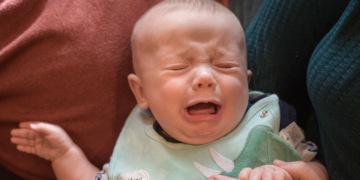
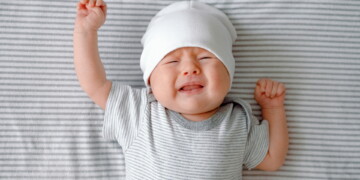
Quick answer: RSV (respiratory syncytial virus) usually starts like a common cold in babies: runny nose, cough, and fussiness.
In infants under 6 months it can spread into the small airways of the lungs (bronchiolitis), causing wheezing, fast breathing, and trouble feeding.
Most babies recover at home, but you should call your pediatrician or seek emergency care if your baby is working hard to breathe, pauses breathing, turns bluish, or isn’t feeding well.
A single antibody shot given before or during RSV season greatly lowers the chance your baby will need the hospital.
If your little one has just started sniffling and you’ve heard “RSV” mentioned at daycare or in the news, you’re not alone.
Every fall, searches for RSV spike as parents try to figure out whether that runny nose is “just a cold” or something more.
This guide walks you through what RSV looks like in babies, how it usually progresses day by day, the exact signs that mean it’s time to get help, and what’s new with RSV protection this season.
What Is RSV in Babies?
RSV is a very common respiratory virus. Almost every child catches it at least once by their second birthday.
In older kids and adults it usually feels like a cold. Babies are different: their airways are tiny, their immune systems are still developing, and they can’t yet clear mucus well on their own.
When RSV moves from the nose and throat into the lungs, it can cause bronchiolitis (swelling and mucus in the smallest airways) or pneumonia.
That’s why RSV is the leading cause of hospitalization in infants younger than 1 year in the United States, according to the Centers for Disease Control and Prevention (CDC).
To see how it compares with other early-life infections, read our overview of common newborn baby diseases.
Babies at higher risk of severe RSV include:
- Newborns and babies under 6 months, especially those 12 weeks or younger when the season starts
- Babies born prematurely
- Babies with heart or lung conditions present from birth
- Babies with weakened immune systems or neuromuscular conditions
If you’re curious about why young babies are more vulnerable, our guide on when the newborn immune system gets stronger explains how protection builds over the first months.
How Do Babies Get RSV?
RSV spreads through droplets from coughs and sneezes, close contact like kissing a baby’s face, and touching surfaces with the virus on them and then touching the eyes, nose, or mouth.
The virus can survive for hours on hard surfaces like crib rails, toys, and countertops.
Very often, babies catch RSV from an older sibling who brings it home from school or daycare, as KidsHealth from Nemours points out. Symptoms typically appear 2 to 8 days after exposure.
RSV Symptoms in Babies: What to Look For
Early RSV looks a lot like a cold:
- Runny or stuffy nose
- Sneezing
- Cough (dry or wet-sounding)
- Decreased appetite
- Fever (though many babies with RSV don’t have one)
- Fussiness or irritability
In very young infants, especially under 6 months, the only early signs may be irritability, lower activity, and feeding less. Some young babies have apnea, short pauses in breathing, even before the cough gets bad.
If RSV moves into the lungs, you may notice:
- Wheezing or a whistling sound when breathing out
- Fast breathing
- Nostrils flaring with each breath
- Head bobbing with breathing
- Skin pulling in between the ribs or under the ribcage (retractions)
What Does RSV Sound Like in Babies?
Parents often describe a wet, rattly cough, congested “snorty” breathing from a blocked nose, and sometimes a high-pitched wheeze.
Nasal congestion alone can sound dramatic in a baby because newborns prefer breathing through their nose.
Fast, effortful breathing with visible chest pulling is the sound-and-sight combination that needs a doctor’s attention.
How Long Does RSV Last in Babies? A Day-by-Day Timeline
Every baby is different, but RSV commonly follows this pattern:
Illness day | What’s typical |
Days 1–2 | Runny nose, sneezing, mild cough, maybe low fever |
Days 3–5 | Usually the peak: heavier cough, more congestion, possible wheezing, feeding gets harder |
Days 5–7 | Most babies start to slowly improve |
Weeks 2–4 | A lingering cough can hang around even after your baby is otherwise well |
Most RSV illnesses last about 1 to 2 weeks. Call your pediatrician if your baby isn’t improving after 7 days or seems to be getting worse instead of better.
How Long Is RSV Contagious in Babies?
People with RSV are usually contagious for about 3 to 8 days, but infants and anyone with a weakened immune system can keep spreading the virus for longer, sometimes for weeks, even after symptoms ease.
Keep up with handwashing and keep a sick baby away from newborns and vulnerable relatives.
When to Take a Baby With RSV to the Hospital
This is the most important section of this guide.
Get emergency care (call 911 or go to the ER) if your baby:
- Pauses breathing or has periods where breathing stops
- Has bluish or gray color around the lips, tongue, or fingernails
- Is breathing very fast or struggling to breathe, with ribs pulling in, flaring nostrils, or grunting
- Is very sleepy, hard to wake, or unusually floppy
Call your pediatrician right away if your baby:
- Is under 3 months old and has a temperature of 100.4°F (38°C) or higher
- Shows signs of dehydration: fewer than 1 wet diaper every 8 hours, a dry mouth, or crying without tears
- Refuses to breastfeed or bottle-feed, or is taking much less than usual
- Is very cranky and can’t be comforted
- Has symptoms that get worse, or don’t improve after 7 days
Trust your instincts. Even if symptoms seem mild, it is always okay to call your pediatrician when something feels off.
Most babies with RSV never need the hospital, but those who do usually need help with breathing support or fluids, and they typically go home within a few days.
How to Treat RSV in Babies at Home
There’s no medicine that cures RSV, and antibiotics don’t work against viruses.
Home care focuses on keeping your baby comfortable, breathing easier, and well-hydrated while their body fights the infection.
- Clear the nose before feeds and sleep. A few saline drops followed by gentle suction with a bulb syringe or nasal aspirator can make feeding much easier. Don’t over-suction, as that can irritate the nose.
- Keep feeding small and often. Congested babies tire quickly. Offer the breast or bottle more frequently in shorter sessions. If you’re unsure what’s normal, see our guide to how often a newborn eats.
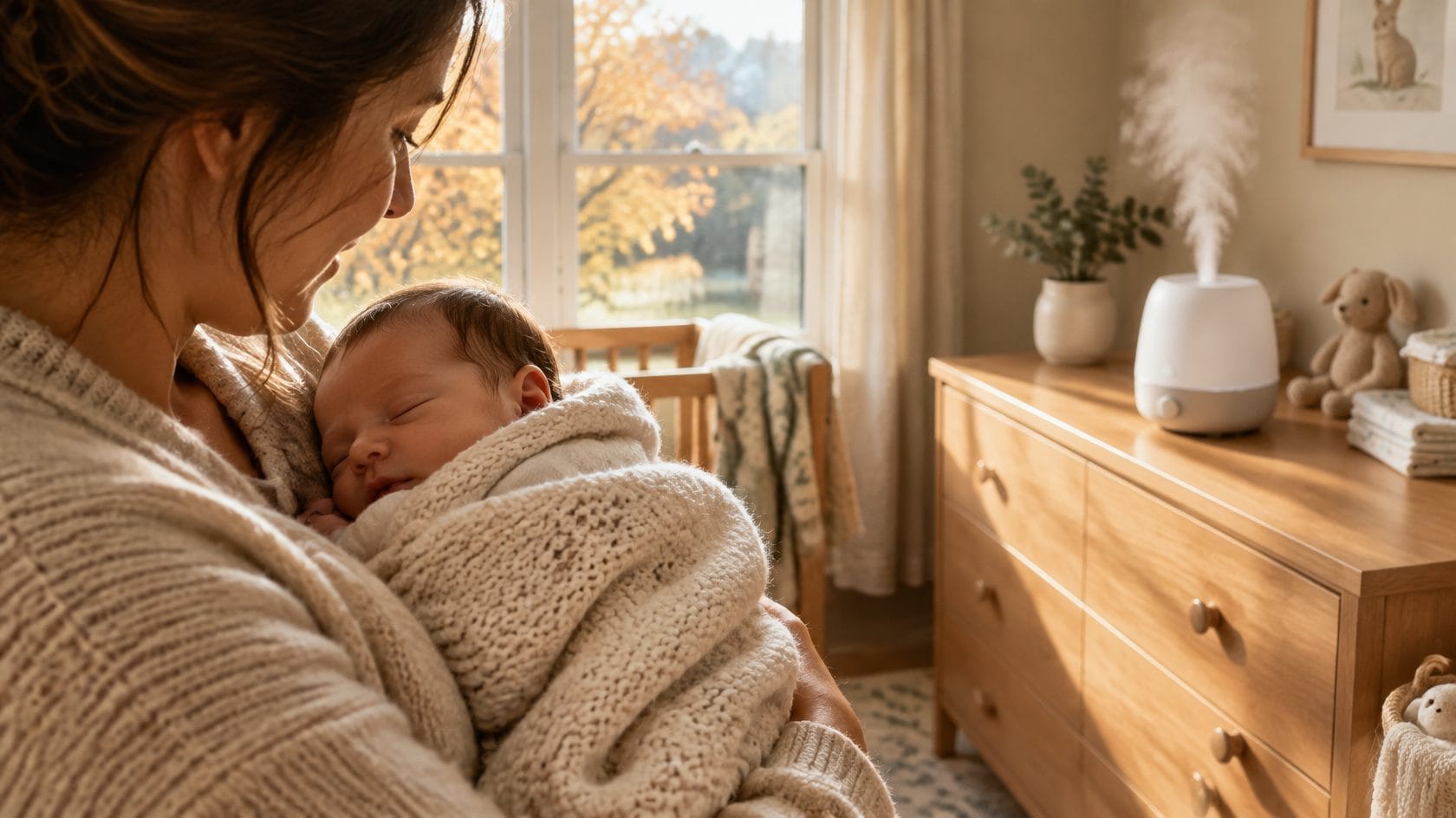
- Use a cool-mist humidifier. Moist air can help loosen mucus. Clean it daily according to the manufacturer’s instructions.
- Watch the fever, not just the number. Ask your pediatrician before giving any fever reducer, especially to a baby under 3 months, and confirm the right dose for your baby’s weight. Dress your baby in light layers; our post on how to dress a baby with a fever at night has practical tips.
- Skip cough and cold medicines. Over-the-counter cough and cold products are not recommended for babies and young children.
- Keep sleep safe. Even when your baby is congested, always place them on their back on a firm, flat surface. Don’t prop the crib mattress or use incline sleepers. For more, read our guide to the best sleeping position for a baby with a stuffy nose.
- Keep the air smoke-free. Cigarette and vape smoke make RSV symptoms worse and raise the risk of severe illness.
The RSV Shot for Babies: What’s New for 2026–2027
The biggest change for families in recent years is that babies can now be protected from severe RSV before they ever get sick.
There are two main approaches, and most babies need one or the other, not both.
Option 1: Maternal RSV Vaccine During Pregnancy
Pregnant people can receive a single dose of the RSV vaccine (Abrysvo) between 32 and 36 weeks of pregnancy, during the September-through-January window in most of the US.
The mother’s antibodies cross the placenta and protect the baby from birth through about 6 months.
Option 2: An RSV Antibody Shot for the Baby
Instead of teaching the body to make antibodies like a vaccine does, these shots give your baby ready-made antibodies directly.
One dose protects for the whole season.
The American Academy of Pediatrics’ 2026–2027 RSV recommendations, published September 2, 2026, advise:
- All babies under 8 months born during or entering their first RSV season should get either nirsevimab (Beyfortus) or clesrovimab (Enflonsia), unless their mother received the RSV vaccine at least 14 days before delivery.
- The AAP has no preference between the two products for a baby’s first season.
- Babies 8–19 months at high risk of severe RSV should get a dose as they enter their second season. Only nirsevimab is approved for this second-season use.
- Babies should still get the shot even if they’ve already had RSV, because reinfection can happen in the same season.
Who Now Qualifies for a Second-Season Dose?
This season, the AAP expanded the high-risk list for toddlers aged 8–19 months. Newly included are children with:
- Heart disease present from birth that significantly affects circulation
- Certain lung structure differences or neuromuscular conditions that raise RSV risk
- Down syndrome or other chromosomal conditions linked to higher RSV risk
- Birth before 32 weeks of pregnancy, even if they no longer need ongoing medication or breathing support
If your toddler falls into one of these groups, ask your pediatrician about a second-season dose now, before RSV peaks in your area.
How Well Do These Options Work?
In an independent evidence review, nirsevimab cut the risk of RSV hospitalization by as much as 93%. The maternal vaccine has also been shown to substantially lower a newborn’s risk of severe RSV in the first months of life.
Neither option guarantees your baby won’t catch RSV, but both make it much less likely to become serious.
| Maternal RSV vaccine | Infant antibody shot |
Who gets it | Pregnant parent, 32–36 weeks | Baby under 8 months (or high-risk 8–19 months) |
When | September–January in most of the US | Before or during RSV season |
Protection | Birth to about 6 months | The whole RSV season |
Products | Abrysvo | Nirsevimab (Beyfortus), clesrovimab (Enflonsia) |
Talk with your OB or pediatrician about which approach fits your due date and your baby’s health. Many insurance plans cover these shots; check with your provider.
How to Prevent RSV in Babies Every Day
Alongside immunization, everyday habits make a real difference during RSV season:
- Wash your hands before holding or feeding your baby, and ask visitors to do the same.
- Ask anyone with cold symptoms to wait until they’re well before visiting.
- Avoid letting others kiss your baby’s face, especially young children.
- Clean high-touch surfaces like toys, pacifiers, and door handles often.
- Keep sick older siblings at a distance from the baby where you can.
- Limit crowded indoor spaces with very young babies during peak season.
- Breastfeed if you can; breast milk provides antibodies that support your baby’s defenses.
Frequently Asked Questions About RSV in Babies
Is RSV dangerous for babies?
For most healthy babies, RSV is a cold-like illness that resolves at home. It’s most dangerous for babies under 6 months, preemies, and those with heart, lung, or immune conditions, who are more likely to develop bronchiolitis or pneumonia.
How do I know if my baby has RSV or a cold?
They can look identical at first. Only a test (usually a nose swab) confirms RSV, but your pediatrician often won’t need one. What matters more is how your baby is breathing and feeding. Wheezing, fast breathing, or trouble feeding point toward RSV affecting the lungs.
Can adults get RSV from babies?
Yes. RSV spreads in both directions. Adults usually get a mild cold, but older adults and people with chronic health conditions can get seriously ill, so take care around grandparents.
When do babies get the RSV shot?
Ideally right before RSV season starts, usually October. Babies born during the season are often given it in the hospital in their first week. If your baby missed it, ask your pediatrician; it can still be given during the season.
Is the RSV shot safe for babies?
Nirsevimab and clesrovimab went through clinical trials before approval and have been given to large numbers of infants since. The most commonly reported side effects are mild, such as redness or swelling where the shot was given. Ask your pediatrician about your baby’s specific situation.
Can my baby get RSV twice?
Yes. Babies can catch RSV more than once, even in the same season. Later infections tend to be milder as the immune system matures.
The Bottom Line
RSV season is here, and while most babies get through it at home with plenty of cuddles, nose-clearing, and small frequent feeds, it’s worth knowing the warning signs cold. Watch your baby’s breathing and wet diapers more than the thermometer, and never hesitate to call your pediatrician. If your baby is under 8 months and hasn’t been protected yet, now is the time to ask about the RSV shot.
This article is for general information and isn’t a substitute for medical advice. Always contact your pediatrician with questions about your baby’s health. In an emergency, call 911.
Sources
- AAP Releases RSV Immunization Recommendations for 2026–2027 Season — HealthyChildren.org
- AAP expands high-risk groups recommended for RSV immunization in second season — AAP News, Sept 2, 2026
- Recommendations for the Prevention of RSV Disease in Infants and Children: Policy Statement — Pediatrics, 2026
- What pediatricians should know about the 2026–27 AAP vaccine schedule — Contemporary Pediatrics
- AAP Expands RSV Vaccine Recommendations for Vulnerable Children Entering Second Season — Medscape
- Respiratory Syncytial Virus (RSV) — KidsHealth from Nemours
- RSV — Centers for Disease Control and Prevention