

This post contains affiliate links. If you buy through them, we may earn a small commission at no extra cost to you. Learn more.
Last reviewed: November 21, 2026 · Based on manufacturer specifications, published hands-on reviews, food-safety guidance from the CDC and AAP, and our own experience with one of these machines
Quick answer: For most families, the best baby food maker is the Beaba Babycook Solo: it steams and blends in one 4.5-cup bowl, works fast and has the longest track record. If you want the machine to do everything with one button, choose the Baby Brezza One Step Food Maker Deluxe. On a budget, the NutriBullet Baby Steam + Blend costs less. In the UK and Europe, the Philips Avent 4-in-1 is a great choice and the one we used at home. And if you don’t want another appliance, a steamer basket and a blender do the same job.
How we chose: we used one of these machines, the Philips Avent 4-in-1, with our own family when we started solids. We haven’t tested the other models ourselves. For those, this guide is based on manufacturer specifications, published hands-on reviews (such as Babylist and Reviewed) and patterns in verified buyer reviews. The food-safety advice comes from the CDC, the American Academy of Pediatrics (AAP) and the Academy of Nutrition and Dietetics. Prices change often, so check the current price before you buy.
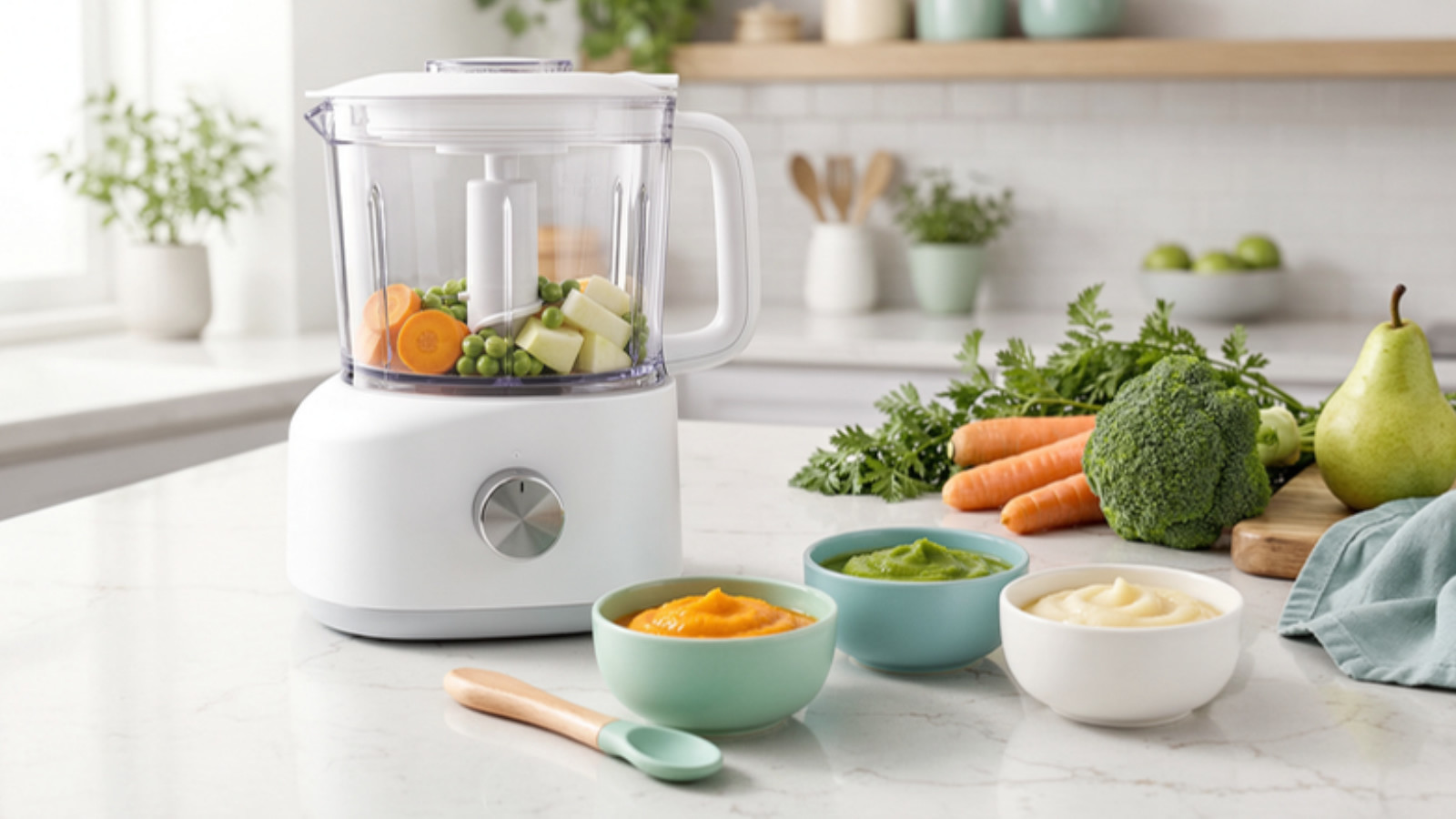
A baby food maker steams fruit, vegetables, meat or fish and then purees them, ideally in the same bowl. That means fewer pots and dishes, and you can cook a batch of meals for the freezer in about 15 to 20 minutes. It’s a convenience, not a must-have. If you’re still deciding whether to make purees at all, start with our guide to homemade baby food, which covers how to make, store and serve purees with or without a machine.
Best Baby Food Makers at a Glance
| Baby food maker | Best for | How it works | Capacity | Dishwasher-safe parts | Approx. price |
|---|---|---|---|---|---|
| Beaba Babycook Solo | Best overall | Steams in a basket, then blends in the same bowl | 4.5 cups | Bowl, basket, lid, blade (top rack) | About $130–160 |
| Baby Brezza One Step Food Maker Deluxe | Most hands-off | Steams, then blends automatically | Up to 3.5 cups of food | Bowl and blade | About $130–150 |
| Philips Avent 4-in-1 | UK & Europe (the one we used) | Steam, flip the jar, blend | 1 L steaming / 720 ml blending | Jar and blade | Varies by country |
| NutriBullet Baby Steam + Blend | Best value | Steams and blends in one bowl, with an auto cycle | 3.5-cup bowl | Bowl and lid (hand-wash the blade) | About $95–115 |
| Steamer basket + blender | No new appliance | Steam on the stove, then blend | Any | Usually all | Often $0–30 |
The 4 Best Baby Food Makers (Plus a No-Gadget Option)
1. Beaba Babycook Solo – Best Overall
The Babycook is the baby food maker most reviewers land on, and both Babylist and Reviewed name it their best overall pick. It has a large 4.5-cup bowl and steams raw fruit, vegetables, meat or fish in a basket in under 20 minutes. When the beep sounds, you lift the basket out, tip the food back into the same bowl and blend it to the texture you want, from smooth to chunky. It also defrosts and reheats. The water reservoir is stainless steel, the plastic parts are BPA-, lead- and phthalate-free, and the bowl, basket, lid and blade go on the top rack of the dishwasher. Its narrow footprint is easy to fit on a busy counter.
The downsides are price and the small number of buyers who report durability problems, such as a cracked lid or mold in a reservoir that wasn’t dried. Empty the water tank after every use and let it air-dry. One more thing if you’re buying secondhand: in 2019 the US Consumer Product Safety Commission announced a recall of the glass-bowl Babycook Neo (Midnight and Cloud colors, sold July 2018 to February 2019) because the bowl could break. The Solo has a plastic bowl and wasn’t part of that recall.
- Pros: big batch size, fast, one-handed operation, adjustable texture, dishwasher-safe parts, well reviewed
- Cons: pricey; you move the food from the basket into the bowl before blending; some durability complaints
Check the Beaba Babycook Solo price on Amazon
2. Baby Brezza One Step Food Maker Deluxe – Most Hands-Off
If you like the idea of pressing one button and walking away, this is the one. The Baby Brezza One Step Food Maker Deluxe steams the food and then blends it automatically in the same bowl, with no transferring. Baby Brezza says it makes up to 3.5 cups of food in as little as 10 minutes. You can also choose steam only or blend only, it comes with three reusable food pouches and filling funnels, and the bowl and blade are dishwasher safe. The water tank is removable and the steam tank is easy to reach for descaling.
Buyer reviews are more mixed than the Beaba’s, and you need to hand-wash the driveshaft, which shouldn’t go in the dishwasher. Still, for parents who want the least hands-on time, it’s the most automatic machine here.
- Pros: true one-step steam and blend, three modes, pouches included, dishwasher-safe bowl and blade
- Cons: more mixed reviews; smaller batch than the Beaba; driveshaft is hand-wash only
Check the Baby Brezza One Step Deluxe price on Amazon
3. Philips Avent 4-in-1 Healthy Baby Food Maker – The One We Used (UK & Europe)
From a dad of two: this is the baby food maker we had at home when we started solids, and it’s one of the most useful baby things we bought. It steamed the food and then pureed it in the same jar, so it came out ready to give to the baby.
Here’s how it works, according to Philips. Steam rises from the bottom of the jar to cook the food evenly. When it beeps, you flip the jar over onto the base and blend to the texture you want. The jar holds 1 liter for steaming (720 ml for blending liquids), which is enough for up to four meals at a time. It also defrosts and reheats, the jar and blade are dishwasher safe, and it comes with a small storage pot and a recipe booklet. The original model (SCF875) has been replaced by the Premium 4-in-1 Steamer Blender (SCF883), which works the same way.
One important note: the versions we found are rated 220–240 volts, so they’re made for the UK, Europe, Australia and similar markets. If you live in the US or Canada, choose one of the other picks instead.
- Pros: steam and blend in one jar, up to four meals per batch, beeps when ready, dishwasher-safe jar and blade
- Cons: not made for US/Canadian outlets; the flip step takes a little getting used to
See the Philips Avent Premium 4-in-1 on Philips.co.uk
4. NutriBullet Baby Steam + Blend – Best Value
The NutriBullet Baby Steam + Blend combines a cooking pot, steamer basket and blender in one compact machine for less than the Beaba or Baby Brezza. A single dial lets you steam, blend, pulse or run a pre-programmed steam-and-blend cycle, and the 3.5-cup bowl makes several servings at once. It has stainless steel blades and a non-slip base. Retailers list the bowl and lid as dishwasher safe, with the blade washed by hand.
- Pros: lower price, automatic cycle, steams and blends in one bowl, easy dial controls
- Cons: buyer reviews are mixed; hand-wash blade; shorter track record in baby gear than Beaba
Check the NutriBullet Baby Steam + Blend price on Amazon
5. No Machine: Steamer Basket + Blender – Best Budget Option
You probably already own everything you need. Steam the food in a pot with a steamer basket until it’s soft, then puree it with a stick blender, regular blender or food processor. You’ll wash a few more dishes, but the food is the same. This is a good fit if you only plan to make purees now and then, or if you’re leaning toward finger foods and baby-led weaning. Our homemade baby food guide walks through it step by step.
How to Choose a Baby Food Maker
- One step or two. Some machines (Baby Brezza, NutriBullet) steam and blend without you touching the food; others (Beaba, Philips) ask you to tip or flip the food before blending. Both work fine; one-step machines are just more hands-off.
- Batch size. A bigger bowl means more freezer cubes per session. If you plan to batch-cook once a week, go for at least 3.5 cups.
- Easy cleaning. Look for a dishwasher-safe bowl and blade and a water tank you can empty and dry. A machine that’s a pain to clean won’t get used.
- Bowl material. Most bowls are BPA-free plastic. Glass bowls don’t stain, but they’re heavier and can break, which is what led to the 2019 Babycook Neo recall.
- Voltage and where you live. Buy a model sold for your country’s outlets.
- How long you’ll use it. Smooth purees are usually a phase of a few months. By around 8 to 9 months many babies are eating mashed and finger foods (see our 9-month-old feeding schedule), so a mid-priced machine or a secondhand one often makes the most sense.
Safety Tips for Homemade Baby Food
- Start solids at the right time. Most babies are ready for solid foods around 6 months, once they can hold their head up and sit with support. If your baby is 4 to 5 months old, see what to watch for in our 5-month development guide, and check with your pediatrician.
- No honey before 12 months. The CDC warns that honey can cause infant botulism, a serious type of food poisoning, so don’t add it to purees. Skip added salt and sugar too.
- Cook meat, fish and eggs all the way through before blending.
- Store it safely. Refrigerate purees within 2 hours. The Academy of Nutrition and Dietetics recommends using homemade baby food within 1 to 2 days from the fridge or 1 to 2 months from the freezer. Label and date everything.
- Serve from a separate bowl. Spoon your baby’s portion into a dish and throw away what’s left in it after the meal, rather than feeding straight from the storage container.
- Know the nitrate rule. The AAP advises against home-prepared spinach, beets, green beans, squash and carrots before 3 months of age because they’re naturally high in nitrates. For babies starting solids at around 6 months, homemade versions are fine.
- Check the temperature. Stir reheated food well and test it before serving; it should be lukewarm, not hot.
- Look after the machine. Empty and dry the water tank after every use, descale it as the manual says, and check for recalls before buying secondhand.
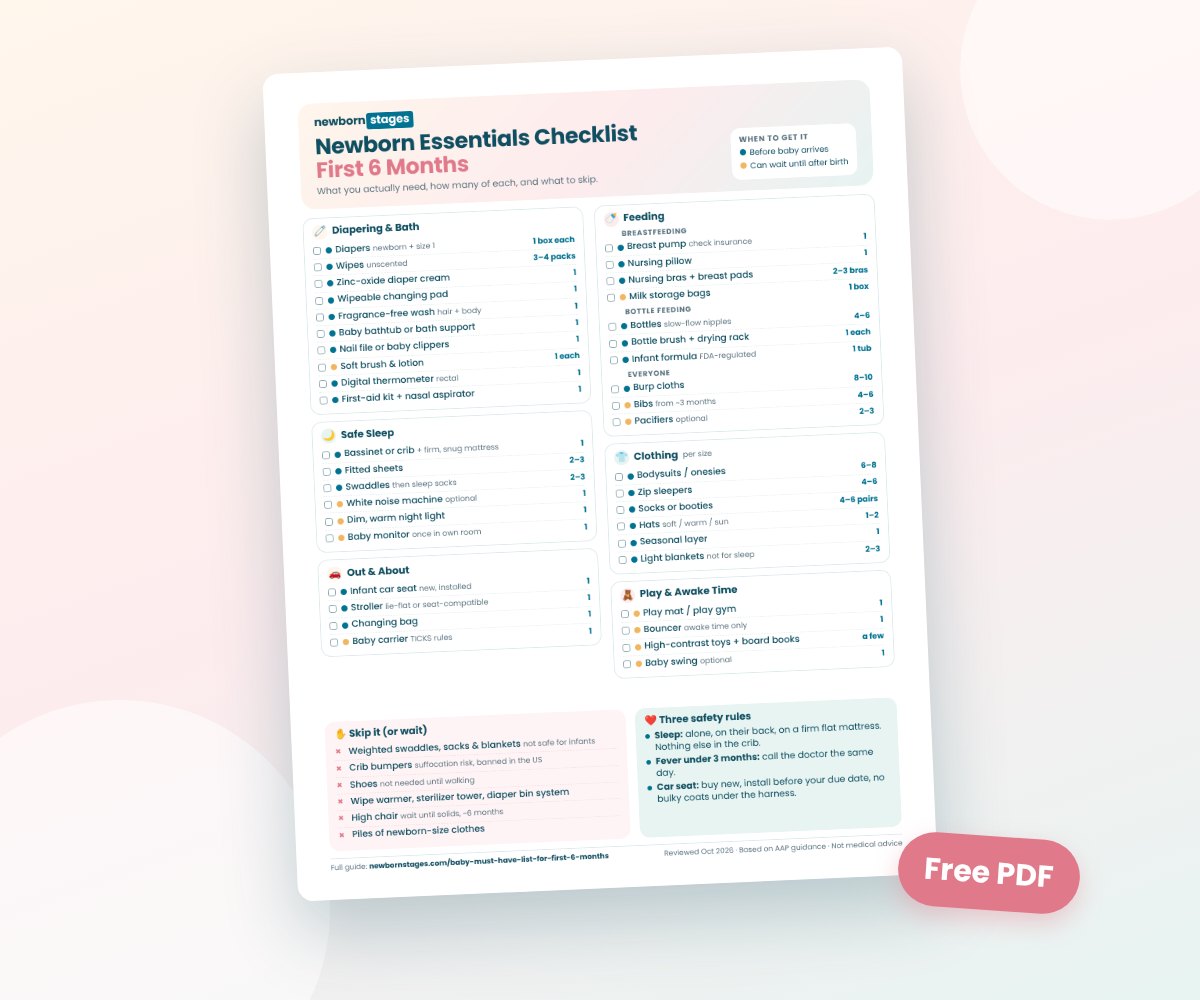
Not sure what else you’ll need for the first months? Our newborn essentials checklist separates the real must-haves from the nice-to-haves.
Frequently Asked Questions About Baby Food Makers
Is a baby food maker worth it?
It can be, if you plan to make most of your baby’s purees at home. A steamer-blender cooks and purees in one appliance, so there are fewer pots and dishes, and you can make several meals at once for the freezer. It isn’t necessary, though: a steamer basket and a blender do the same job. Most babies only eat smooth purees for a few months, so borrowing one or buying secondhand is a sensible option.
What is the best baby food maker?
For most families in the US, the Beaba Babycook Solo is the best all-round choice. The Baby Brezza One Step Food Maker Deluxe is the most hands-off, and the NutriBullet Baby Steam + Blend costs less. In the UK and Europe, the Philips Avent 4-in-1 is a great option and the one we used at home. On a tight budget, use a steamer basket and the blender you already own.
When can I start using a baby food maker?
Whenever your baby starts solid foods, which for most babies is around 6 months, once they show signs of readiness such as good head control and sitting with support. Ask your pediatrician if you’re not sure your baby is ready. Most machines can also make chunkier textures as your baby moves on from smooth purees.
How long does homemade baby food last?
Refrigerate it within 2 hours of cooking. Homemade baby food keeps for 1 to 2 days in a covered container in the fridge, or 1 to 2 months in the freezer. Label and date each container, and serve your baby’s portion in a separate bowl so leftovers in the container stay clean.
Can I make carrot, spinach or beet purees at home?
Yes, for babies who are starting solids at around 6 months. The American Academy of Pediatrics advises avoiding home-prepared spinach, beets, green beans, squash and carrots only before 3 months of age, because these vegetables are naturally high in nitrates. Babies that young shouldn’t be eating solid food anyway. Use fresh vegetables and follow the usual storage times.
Can a baby food maker cook meat and fish?
Yes. The Beaba Babycook, Baby Brezza and Philips Avent machines can all steam meat and fish. Cut it into small, even pieces, follow the cooking times in the manual, and check it’s cooked all the way through before blending.
How do I clean a baby food maker?
Rinse the bowl and blade right after use, before food dries on. On most machines the bowl and blade are dishwasher safe (often top rack only), but check your manual; the Baby Brezza’s driveshaft, for example, shouldn’t go in the dishwasher. Empty the water tank and let it air-dry after every use, and descale it as the manufacturer recommends.
The Bottom Line
The best baby food maker is the one that fits how you’ll really cook. For most US families, the Beaba Babycook Solo is the safest bet: a large 4.5-cup bowl, quick steaming and a long track record. The Baby Brezza One Step Food Maker Deluxe is the most hands-off, and the NutriBullet Baby Steam + Blend costs less. In the UK and Europe, the Philips Avent 4-in-1 is the one we used at home, and it was one of the most useful things we bought for starting solids. If you’d rather not buy another appliance, a steamer basket and a blender do the same job. Whatever you choose, skip honey before 12 months, refrigerate purees within 2 hours, and use them within 1 to 2 days or freeze them for up to 2 months.
This article is for general information and isn’t a substitute for medical advice. Talk to your pediatrician about when and how to start solids, and follow the manufacturer’s instructions for your baby food maker.
8 Sources
Newborn Stages uses trusted sources, including government health agencies, children’s hospitals and pediatric organizations, to support the facts in our articles. Read our editorial policy to learn how we research, fact-check and keep our content accurate.
- Centers for Disease Control and Prevention. Foods and drinks to avoid or limit.
- Greer FR, Shannon M; American Academy of Pediatrics. Infant methemoglobinemia: the role of dietary nitrate in food and water. Pediatrics. 2005.
- Academy of Nutrition and Dietetics. How to make homemade baby food.
- US Consumer Product Safety Commission. Beaba recalls baby food steam cooker/blenders due to laceration hazard (2019).
- Philips. Premium 4-in-1 baby food steamer and blender (SCF883/02) specifications.
- Baby Brezza. One Step Baby Food Maker Deluxe.
- Babylist. Beaba Babycook Solo product details.
- Reviewed. The best baby food makers.