


Last reviewed: November 6, 2026. Checked against current guidance from the American Academy of Pediatrics (HealthyChildren.org) and Cleveland Clinic.
Is it your first vacation with your child, and you are only worried if the baby’s sleep schedule will ruin it or not?
Many new parents have this worry, which is why they don’t go on vacations mostly. Instead, caring about their baby and make sure nothing gets affected.
And if they go on vacation with the baby, the main problem they face is setting their baby’s sleep schedule. In new places, babies have problems sleeping as it is a complete change.
However, some tips can help a parent put the baby sleep in a new place on vacation.
Top Tips That Will Help You Put A Baby Sleep In A New Place On Vacation
If you face problems putting your baby to sleep in new places on vacation, here are the top tips that you should try. Each tip is somehow associated with each other, so you may have to complete one to head on to the next one.
Below are the top tips to help you put your baby’s sleep in new places. Whether on vacation or any other event, the right sleep schedule for your baby will help in many ways.
1. Make Sure That The Sleep Schedule Remains The Same
For parents, following the same sleep schedule on vacation is a challenging task, but that is something that they don’t have to do. Making sure that your baby follows the same sleep schedule they have can be easy sometimes, but you never know what will happen.
In new places, the baby can have problems sleeping. But here are some things you can do to ensure that the sleep schedule remains the same.
- Try nap times during car rides or flights. If your baby falls asleep in a car seat, stroller or carrier, the AAP advises moving them to a firm, flat sleep surface, on their back, as soon as you can once you stop.
- As soon as you see signs of tiredness in your baby, put it to sleep
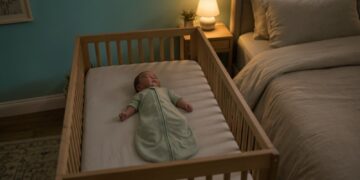
- Carry a portable crib or play yard that meets current safety standards whenever you can. It will help you provide rest to your baby and will help follow the sleep schedule
2. Sleep Environment
The sleep environment for the baby matters a lot. We may think it is just a baby and can sleep anywhere, but that is not the case. Cleveland Clinic notes that familiar sights, sounds and routines can help babies settle in a new place.
For example, the background noise or the utter silence in their main sleeping environment will make it easier for them to sleep if it is somehow the same on vacation. To ensure this, there are some things you can do:
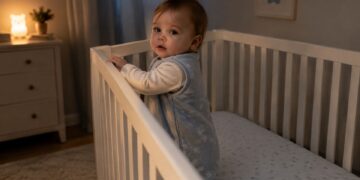
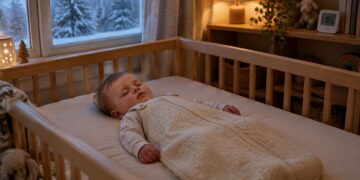
- Carry all the baby travel items, like the sleep sack and sound machine you use at home
- If your baby has a favorite soft toy, bring it along for cuddles during awake time. For babies under 1 year, the AAP says to keep soft toys, pillows and blankets out of the crib.
- The lighting of the sleep environment at home also matters, so try to replicate that as well on vacation
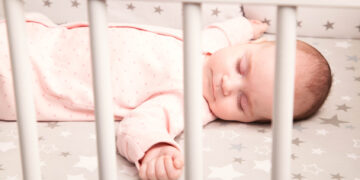
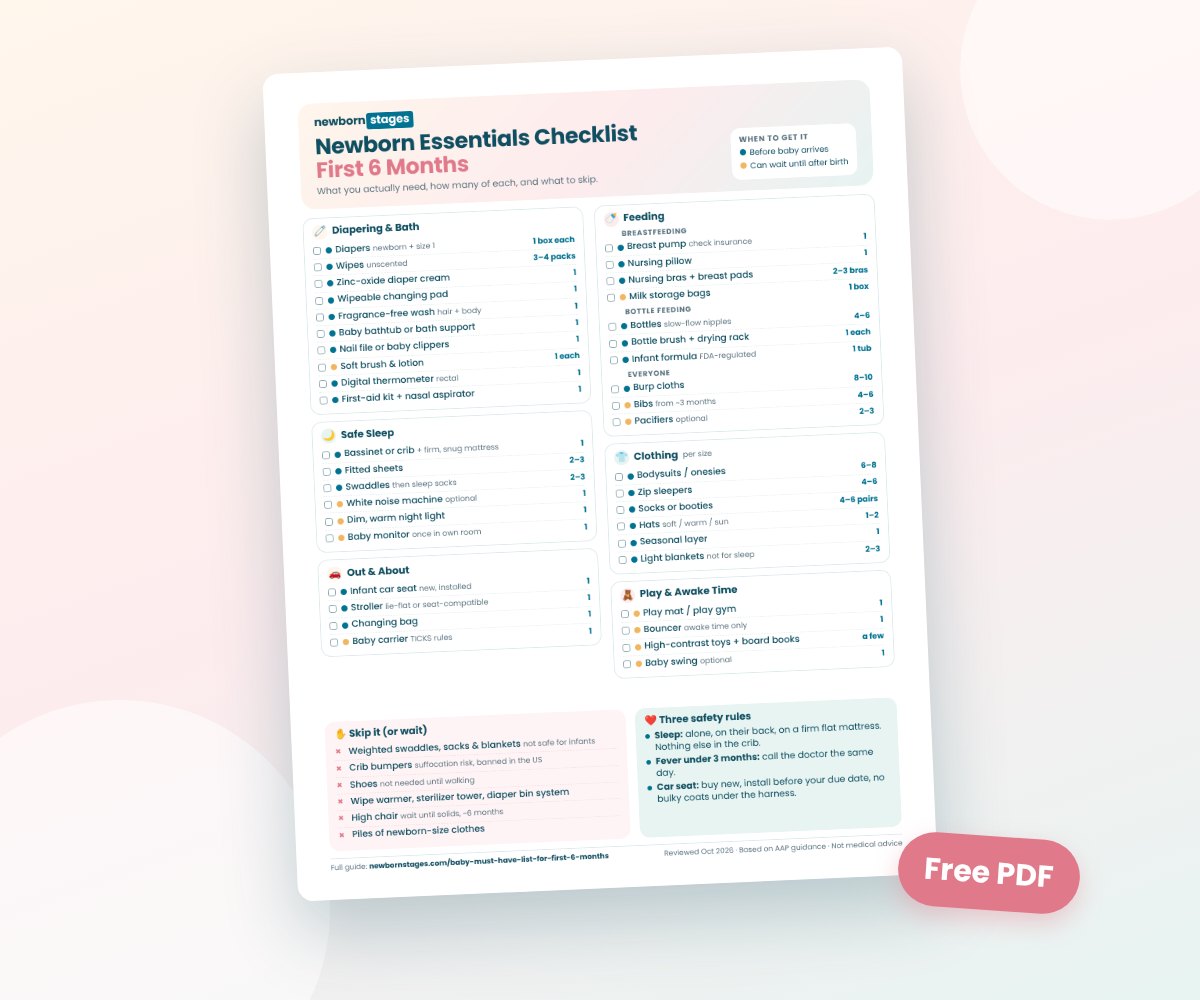
Wherever you stay, the safe sleep rules still apply. Always place your baby on their back, on a firm, flat surface with only a fitted sheet. Share a room with your baby, but not a bed. Hotel and adult beds, sofas and armchairs are not safe places for a baby to sleep. If you use a hotel crib, check that it is sturdy, the sheet fits snugly and there is no extra padding.
3. Keep The Baby Busy and Interacted with The New Place
Rather than carrying your baby in your arms or stroller all the time, it is advisable to keep your baby busy throughout the trip. Make them walk and roam around if they can walk after every while.
This is one of the top tips as this will make sure that your baby is tired and they sleep early or on time.
Additionally, this will make it easier for you to put them to sleep and help them follow the sleep schedule. And if the baby doesn’t get much playtime during the, they will have a problem sleeping, but the schedule for naps will also get affected.
4. Try Not To Use Travel Gadgets For Your Baby The First Time On The Vacation
If you have new travel sleep gear, such as a portable crib, try not to use it for the very first time on vacation. Instead, set it up at home first and let your baby nap in it a few times, so it already feels familiar when you travel.
This gives you plenty of time to see and check if it would work to help your baby sleep or not. Skip gadgets that aren’t made for infant sleep, like inclined sleepers, nests, loungers or weighted sleep products.
5. Try To Make Your Baby Sleep Anywhere
If your baby used to have naps in a dark and quiet environment, it could be a bit challenging for you to make them nap during the trip. So make sure your baby is well-rested and takes a nap before leaving during your trip.
Once the baby has a nap, it will be easier for you to help them settle in a new place. Being flexible about where naps happen is fine, as long as the place your baby actually sleeps is a safe one: a crib, bassinet or play yard, on their back, with nothing soft around them.
Final Words
These are the top 5 tips that will help your baby sleep on vacation and make it easier for you to manage everything.
Every parent and their child must get proper sleep, so they worry the most about vacation. However, these five tips will surely help you.
Read also: Long Road Trip with Infant: Safety Tips before You Travel
Read also: How to Get Toddler Back On Sleep Schedule after Vacation
This article is for general information and isn’t a substitute for medical advice. Always contact your pediatrician with questions about your baby’s health.
3 Sources
Newborn Stages uses trusted sources, including government health agencies, children’s hospitals and pediatric organizations, to support the facts in our articles. Read our editorial policy to learn how we research, fact-check and keep our content accurate.
- American Academy of Pediatrics (HealthyChildren.org). How to Keep Your Sleeping Baby Safe: AAP Policy Explained.
- American Academy of Pediatrics (HealthyChildren.org). Tips for Safe & Stress-Free Family Travel.
- Cleveland Clinic. Sleep in Your Baby’s First Year.