

Newborn Stages
  • Home
  • Baby

    Development & Growth

    Newborn icon

    Newborn (0–4 Weeks)

    Feeding, sleep & first-week care

    1-2 months baby icon

    1-2 Months

    First smiles & tummy time

    3-6 months baby icon

    3-6 Months

    Rolling, giggles & grabbing

    7-9 months baby icon

    7-9 Months

    Sitting, crawling & first foods

    10-12 months baby icon

    10-12 Months

    Standing & first steps

    VIEW ALL
    Baby feeding icon
    Baby Feeding
    Breastfeeding
    Baby Food Recipes
    Bottle Feeding
    VIEW ALL
    Baby sleep icon
    Baby Sleep
    Sleep Problems
    Basics & Bedtime Routines
    VIEW ALL
    Baby basics icon
    Baby Basics
    Newborn Daily Care
    Essentials
    Activities & Playtime
    VIEW ALL
  • Toddler

    Development & Growth

    13-18 months toddler icon

    13-18 Months

    Walking & first words

    19-24 months toddler icon

    19-24 Months

    Talking & pretend play

    2-3 years toddler icon

    2-3 Years

    Big feelings & potty training

    VIEW ALL
    Toddler feeding icon
    Toddler Feeding
    Eating & Nutrition
    Healthy Food Recipes
    Toddler Breastfeeding
    VIEW ALL
    Toddler sleep icon
    Toddler Sleep
    Problems & Concerns
    Basics & Bedtime Routines
    VIEW ALL
    Toddler care and training icon
    Care & Training
    Playtime & Education
    Everyday Care & Training
    VIEW ALL
  • Free Tools
    • Newborn Checklist
    • Baby Handover Sheet
    • Baby Food Checker
    • Baby Sleep Schedule
    • Why Is My Baby Crying?
  • Health & Safety
    • Everyday Wellness
    • Common Health Concerns
    • Disabilities and Chronic Conditions
    • Mental Health
    • Playtime
    • Safety & First Aid
  • Gear & ProductsReviews

    Gear & product reviews

    • Parenting books & courses
    • Beds & sleep products
    • Toys
    • Nursing & feeding
    • Strollers & accessories
    • Car seats & accessories
    • Health & safety products

    Latest reviews

    Best Baby Food Maker (2026): 4 Steamer-Blenders Compared, Including the One We Used

    Best Humidifier for Baby (2026): 5 Cool-Mist Picks + Safe Nursery Setup

    Dad/Partner Picks: Baby Products Men Actually Love (and Use)

    Best Under $30 Baby Toys That Feel Premium!

    Top 5 Travel Strollers of 2026 — Lightweight, Foldable & Airline-Approved!

    See all gear reviews →

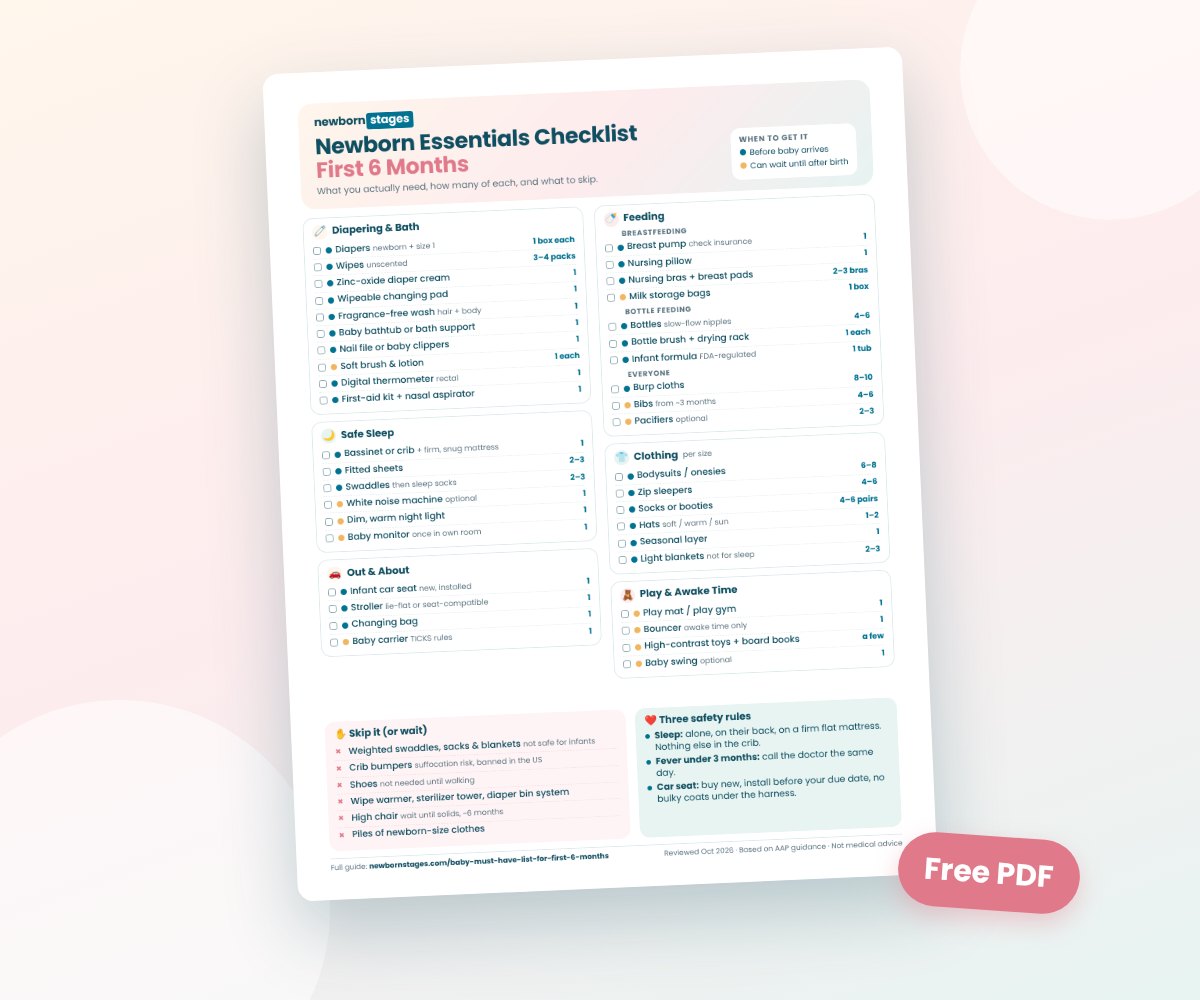
    Preview of the newborn shopping list checklistFree toolBuild your newborn shopping listMark what you have and need, then save your own list as a PDF.Start my list →
  • General Parenting
No Result
View All Result
Newborn Stages
No Result
View All Result

Home » 2-3 Years » How to Improve Toddler Communication Skills

How to Improve Toddler Communication Skills

Written by: Iordanis Konstantilakis
November 14, 2026
in 2-3 Years, 13-18 Months, 19-24 Months
How to Improve Toddler Communication Skills
Key Takeaways
  • Parents who worry about a toddler's speech should act early: ask the doctor about a hearing test, see a speech-language pathologist, or contact the state early intervention program for a free evaluation without a referral for children under 3.
  • Rhyming activities such as reading rhyming books, singing nursery rhymes, making up rhymes and playing rhyming games help toddlers learn new words, rhythm and bonding.
  • Being patient and giving toddlers time and space to express themselves at their own pace is one of the best ways to support communication.
  • Offering choices with real objects, holding up each item and naming it clearly, helps toddlers connect words to things and practice responding.

Last reviewed: November 6, 2026. Checked against current guidance from the American Speech-Language-Hearing Association (ASHA), the CDC and SickKids (The Hospital for Sick Children).

If you’re the parent of a toddler, then you know that communication can be a challenge. Toddlers are still learning how to speak and express themselves, which can make everyday interactions difficult. In this guide, we will discuss some tips for improving your toddler’s communication skills.

We’ll cover everything from talking to listening, and we’ll provide helpful exercises that you can do at home. By following these tips, you can help your child develop into a confident communicator!

Get Professional Help If You Feel Like There Is A Communication Problem

One of the most important steps is to get professional help if you feel like there is a communication problem. The CDC advises acting early. If your toddler isn’t talking, or if you’re concerned about his or her speech development, talk to your child’s doctor and ask about a hearing test, as the CDC recommends. You can also make an appointment with a speech-language pathologist. These trained professionals can assess your child’s development and provide you with guidance on how to best support your child’s communication skills. For children under 3, you can also contact your state’s early intervention program yourself for a free evaluation. You don’t need a doctor’s referral. Don’t wait to see if your child catches up.

Say Rhymes With You Toddler

Rhyming is a fun toddler activity that helps improve communication skills. It’s also a great way to bond with your toddler and help them learn new words.

Here are some tips for using rhymes to improve your toddler’s communication skills:

  • Read rhyming books together. This is a great way to introduce new words and help your toddler learn about rhythm and rhyme.
  • Make up your own rhymes. This is a great way to bond with your toddler and help them learn new words.
  • Sing nursery rhymes together. This is a great way to help your toddler learn about rhythm and rhyme.
  • Play games that involve rhyming. This is a great way to help your toddler learn about rhythm and rhyme.
  • Poetry can be a great way to improve your toddler’s communication skills. It’s also a great way to bond with your toddler and help them learn new words.

Be Patient

One of the best ways to improve toddler communication skills is to be patient with them. It can be frustrating when your toddler isn’t able to express what they want or need, but it’s important to remember that they’re still learning. Try to be understanding and provide them with the time and space they need to communicate at their own pace.

Give Your Toddler Choices Using Objects

One way to improve toddler communication skills is by giving your toddler choices using objects. For example, if you’re asking your toddler to choose between two items, such as a toy or a piece of fruit, hold up each object and name it clearly.

Then, give your toddler time to process the information and make a choice. You can also use this technique to teach your toddler new words.

For example, if you’re introducing a new toy, hold it up and name it. Then, let your toddler play with the toy while you provide commentary. This will help your toddler learn the new word and associate it with the object.

Use Simple Words and Phrases

When you are talking to your toddler, use simple words and phrases that they will be able to understand. This will help them to start communicating with you more effectively.

Use Gestures and Facial Expressions

Use gestures and facial expressions when you are talking to your toddler. This will help to emphasize what you are saying and will make it easier for them to understand. It is also important to make eye contact with your toddler when you are talking to them.

Read Books Together

Reading books together is a great way to improve communication skills. It is important to choose books that are appropriate for your child’s age and interests. You can also use puppets or other toys to act out the stories as you read them.

Encourage Your Child To Speak

The best way to encourage your child to speak is to create an environment that is conducive to communication. This means making sure that there are plenty of opportunities for your child to talk, and that you are responsive when they do.

Try to have conversations with your child throughout the day, and make time for regular back-and-forth banter.

Speak With Your Toddler While Playing

You can improve your toddler’s communication skills by talking with him or her while you play together. This will help your child learn new words and how to use them.

For example if you are playing with a ball use words like “roll the ball back towards me” or “throw the ball back to me”.

Correct Them Politely

The gentlest way to correct your toddler is to model the right words instead of pointing out the mistake. If your child says “baba” for bottle, simply say, “Here is your bottle!” ASHA suggests repeating what they say and adding a word or two. If they say “ball,” you might say “big ball” or “roll the ball.” Try not to ask them to say it again the right way. This keeps talking fun and helps them learn the correct way to say words and phrases.

Final Words

Improving your toddler’s communication skills is an important part of their development. By using the tips and techniques in this guide, you can help your toddler learn to communicate more effectively.

This article is for general information and isn’t a substitute for medical advice. Always contact your pediatrician with questions about your baby’s health.

4 Sources

Newborn Stages uses trusted sources, including government health agencies, children’s hospitals and pediatric organizations, to support the facts in our articles. Read our editorial policy to learn how we research, fact-check and keep our content accurate.

  1. American Speech-Language-Hearing Association. Strategy Spotlight Sheet: Expanding Your Child’s Words.
  2. SickKids (AboutKidsHealth). Tips for language development at 18 months.
  3. CDC. If You’re Concerned About Your Child’s Development.
  4. CDC. Screening for Hearing Loss.

Iordanis Konstantilakis

Iordanis "Danis" Konstantilakis is a dad of two (a 9-year-old boy and a 5-year-old girl) and the founder of Newborn Stages. He has been reading and writing about baby and toddler development since 2016, and started this site in 2020 to give new parents the clear answers he couldn't find at 2am. By day he builds websites at weDigitalPLUS. He's a parent, not a doctor: every health article here is checked against the AAP, CDC, NHS and other trusted medical sources, linked in the article, and re-checked when guidance changes.

Preview of the newborn shopping list checklistFree toolBuild your newborn shopping listMark what you have and need, then save your own list as a PDF.Start my list →
Previous Post

How To Help A Baby Sleep In A New Place On Vacation?

Next Post

Newton Waterproof Crib Mattress Review

You Might Also Like

Smiling toddler sitting on a potty reading a book while a parent kneels beside them encouraging
2-3 Years

When to Start Potty Training: 10 Signs Your Toddler Is Ready (and How Long It Takes)

November 12, 2026
Tired 18 month old toddler sitting awake in a crib at night rubbing one eye
13-18 Months

18 Month Sleep Regression (and 2 Year Old): Signs, How Long It Lasts & What Helps

November 24, 2026
Toddler in a yellow T-shirt reaching toward their mother's face as she kneels beside them
2-3 Years

Why Is My 2 Year Old Not Talking Much? When to Worry

November 6, 2026
Developmental Milestones – 19 Through 24 Months
19-24 Months

Developmental Milestones – 19 Through 24 Months

November 6, 2026
How To Handle 3 Year Old’s Rude Behavior
2-3 Years

How To Handle 3 Year Old’s Rude Behavior

November 14, 2026
15 To18 Months: Toddler Developmental Milestones!
13-18 Months

15 To18 Months: Toddler Developmental Milestones!

November 14, 2026

Newborn Stages offers clear, well-sourced parenting information from a parent who has been there. Our mission is to help new parents find answers they can trust.

  • About us
  • Contact us
  • Advertise
  • Sitemap
  • Privacy Policy
  • Terms & Conditions
  • Disclaimer
  • Editorial Policy
  • Affiliate Disclosure
Facebook-f Instagram

Kindly take note that all the information is for educational purposes only and not a substitute for professional health services.

  • Checklist
  • Handover Sheet
  • Food Checker
  • Sleep Schedule
  • Crying Helper
  • All Free Tools
  • Development Stages
  • Feeding
  • Sleeping
  • Health & Safety
  • Product Reviews
©2026 www.newbornstages.com. All Rights Reserved.
No Result
View All Result
  • Home
  • Baby
    • Baby Development
      • Newborn (0–4 Weeks)
      • 1-2 Months
      • 3-6 Months
      • 7-9 Months
      • 10-12 Months
    • Baby Feeding
      • Breastfeeding
      • Bottle Feeding
      • Baby Food Recipes
    • Baby Sleep
      • Sleep Problems
      • Bedtime Routines & Sleep Basics
    • Baby Basics
      • Newborn Daily Care
      • Activities & Playtime
  • Toddler
    • Toddler Development
      • 13-18 Months
      • 19-24 Months
      • 2-3 Years
    • Toddler Sleep
      • Basics & Bedtime Routines
      • Problems & Concerns
    • Toddler Feeding
      • Healthy Food Recipes
      • Eating & Nutrition
      • Toddler Breastfeeding
    • Toddler Care & Training
      • Everyday Care & Training
      • Playtime & Education
  • Free Tools
    • Newborn Checklist
    • Baby Handover Sheet
    • Baby Food Checker
    • Baby Sleep Schedule
    • Why Is My Baby Crying?
  • Health & Safety
    • Common Health Concerns
    • Disabilities and Chronic Conditions
    • Everyday Wellness
    • Mental Health
    • Safety & First Aid
  • Gear & Products
    • Parenting Books – Courses
    • Infant & Toddler Beds & Sleep products
    • Toys
    • Nursing & Feeding
    • Health & Safety
    • Strollers & Accessories
    • Car Seats & Accessories
  • General Parenting

© 2026 www.newbornstages.com. All Rights Reserved.