

Newborn Stages
  • Home
  • Baby

    Development & Growth

    Newborn icon

    Newborn (0–4 Weeks)

    Feeding, sleep & first-week care

    1-2 months baby icon

    1-2 Months

    First smiles & tummy time

    3-6 months baby icon

    3-6 Months

    Rolling, giggles & grabbing

    7-9 months baby icon

    7-9 Months

    Sitting, crawling & first foods

    10-12 months baby icon

    10-12 Months

    Standing & first steps

    VIEW ALL
    Baby feeding icon
    Baby Feeding
    Breastfeeding
    Baby Food Recipes
    Bottle Feeding
    VIEW ALL
    Baby sleep icon
    Baby Sleep
    Sleep Problems
    Basics & Bedtime Routines
    VIEW ALL
    Baby basics icon
    Baby Basics
    Newborn Daily Care
    Essentials
    Activities & Playtime
    VIEW ALL
  • Toddler

    Development & Growth

    13-18 months toddler icon

    13-18 Months

    Walking & first words

    19-24 months toddler icon

    19-24 Months

    Talking & pretend play

    2-3 years toddler icon

    2-3 Years

    Big feelings & potty training

    VIEW ALL
    Toddler feeding icon
    Toddler Feeding
    Eating & Nutrition
    Healthy Food Recipes
    Toddler Breastfeeding
    VIEW ALL
    Toddler sleep icon
    Toddler Sleep
    Problems & Concerns
    Basics & Bedtime Routines
    VIEW ALL
    Toddler care and training icon
    Care & Training
    Playtime & Education
    Everyday Care & Training
    VIEW ALL
  • Free Tools
    • Newborn Checklist
    • Baby Handover Sheet
    • Baby Food Checker
    • Baby Sleep Schedule
    • Why Is My Baby Crying?
  • Health & Safety
    • Everyday Wellness
    • Common Health Concerns
    • Disabilities and Chronic Conditions
    • Mental Health
    • Playtime
    • Safety & First Aid
  • Gear & ProductsReviews

    Gear & product reviews

    • Parenting books & courses
    • Beds & sleep products
    • Toys
    • Nursing & feeding
    • Strollers & accessories
    • Car seats & accessories
    • Health & safety products

    Latest reviews

    Best Baby Food Maker (2026): 4 Steamer-Blenders Compared, Including the One We Used

    Best Humidifier for Baby (2026): 5 Cool-Mist Picks + Safe Nursery Setup

    Dad/Partner Picks: Baby Products Men Actually Love (and Use)

    Best Under $30 Baby Toys That Feel Premium!

    Top 5 Travel Strollers of 2026 — Lightweight, Foldable & Airline-Approved!

    See all gear reviews →

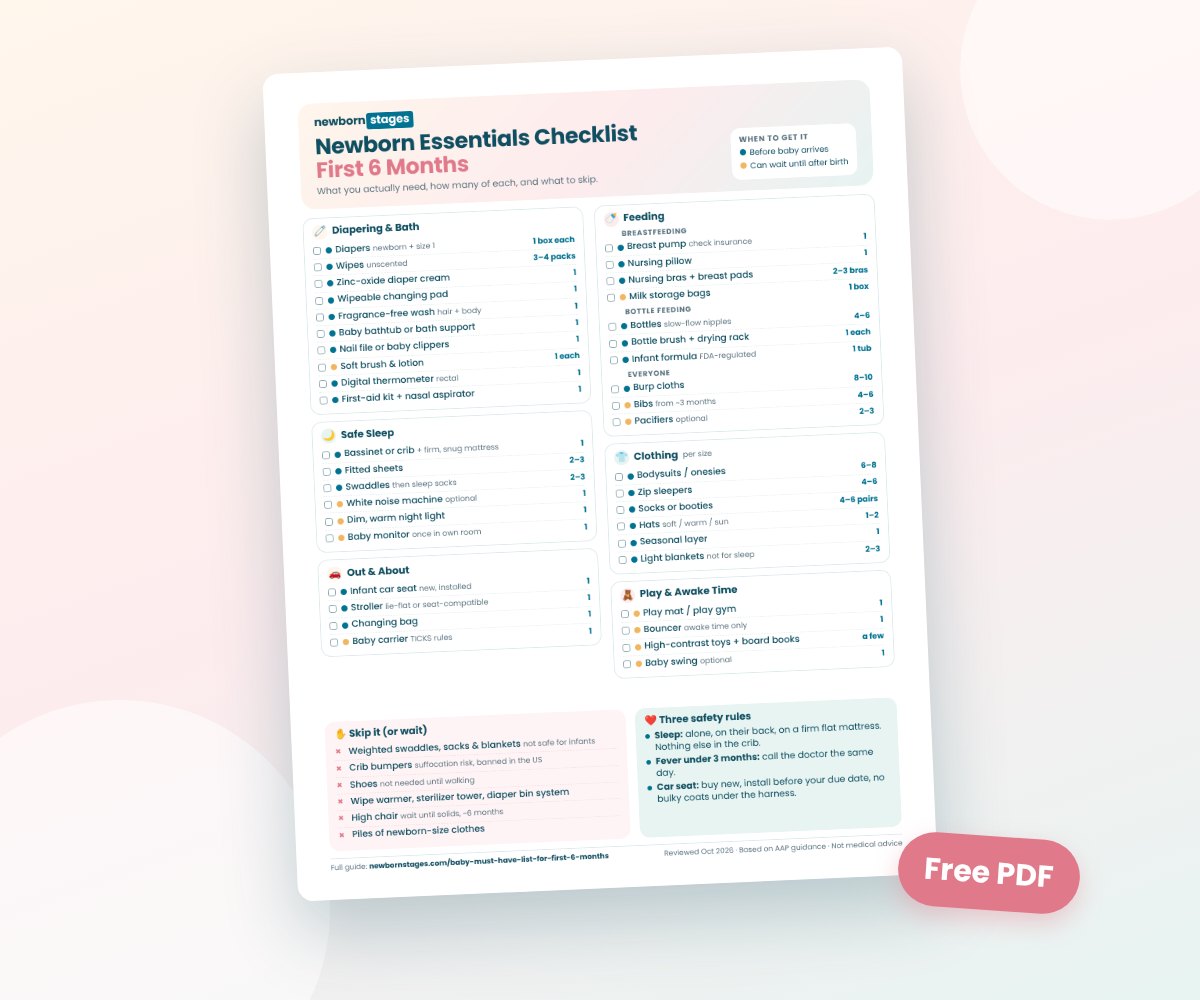
    Preview of the newborn shopping list checklistFree toolBuild your newborn shopping listMark what you have and need, then save your own list as a PDF.Start my list →
  • General Parenting
No Result
View All Result
Newborn Stages
No Result
View All Result

Home » 2-3 Years » 10 Helpful Brain Development Activities For Toddlers

10 Helpful Brain Development Activities For Toddlers

Written by: Iordanis Konstantilakis
November 12, 2026
in 2-3 Years, 13-18 Months, 19-24 Months, Everyday Care & Training
Brain Development Activities For Toddlers
Key Takeaways
  • Toddler brains build connections very quickly before age five, so simple everyday play and stimulation in these early years are crucial for development.
  • The find-the-difference game improves concentration; use newspapers, activity booklets, or homemade drawings and family photos, keeping it to one or two big differences for young toddlers.
  • Talking, labeling actions, reading books and telling stories improve speech, confidence and fluency, and responding to your child's babbling or pointing ("serve and return") helps build brain connections at no cost.
  • The memory game needs only a basket and three or four safe toys like chunky crayons, a toy car or large balls, and you should avoid small items, magnets and button batteries that pose choking or swallowing hazards.

Last reviewed: November 6, 2026. Checked against current guidance from the CDC, the American Academy of Pediatrics (AAP) and the Harvard Center on the Developing Child.

The human body requires physical activity to maintain agility and coordinated movements. Similarly, the brain also needs stimulation for proper development. Several development activities can help you sharpen the brain of your kid.

Remember that the brain grows and builds connections very quickly in the first years of life, before age five. This is why the first few years of your kid’s life are crucial. The best part is you can use simple, everyday activities and back-and-forth play to support brain development.

So here are the top ten helpful brain development activities for toddlers.

10 Brain Development Activities For Toddlers

1. Find The Difference Game

This is one of the best activities for stimulating brain development because it enhances the concentration of your kid. So they will be able to focus on small things easily and enjoy better mental development. The best part is that the game is readily available in various forms.

You can find this game section in:

  • Multiple newspapers
  • Activity booklets at retail stores

You can also create drawings yourself and ask your toddler to find the differences between the pictures. For young toddlers, keep it simple with just one or two big differences.

Another thing you can do is use images of your family photos and make your kid spot the difference.

2. Communicate With Your Kid

Communication is another thing that you must do with your kid for brain development. The best way to do this is by starting from an early age.

You can label actions you do so that your infant can understand you. Introducing your toddler to various books and storytelling will also be helpful. Researchers at the Harvard Center on the Developing Child call this “serve and return”: when your child babbles, points or talks, respond to them. This back-and-forth, sometimes called “serve and return,” helps build connections in the brain.

The primary purpose of communication is to improve your child’s:

  • Verbal speech
  • Confidence
  • Fluency

It will help the kid’s brain development and prepare them for school life. The best part is that this activity does not cost you anything or require you to make any extra effort.

3. Memory Test Game

Another activity essential for brain development is the memory game. This is a straightforward game that you can play anywhere. You also don’t have to buy new things for this activity, so you don’t need to stress out about your finances.

You can play this game by finding a few toys and a basket. For toddlers, start with three or four objects, such as:

  • Chunky crayons
  • A toy car
  • Balls that are too big to fit in your child’s mouth
  • And more

Avoid small items that could be a choking hazard (see the CDC’s list of choking hazards). Never use magnets, button batteries or toys with small loose parts, which can be very dangerous if swallowed. Stay with your child during the game.

You can place all the things in a basket and show them to your toddler. The kid can see the things before you take away the basket.

Later, you can ask the toddler to tell you the name of the objects they saw. This activity is a fun way to practice memory and new words.

4. Solve Puzzles

Solving a puzzle is also stimulating for the brain because it encourages your toddler to focus on a specific task. You can also improve the memory of your kid by helping them solve picture puzzles. The best part is that you will also improve the problem-solving skills of your child. Choose chunky puzzles with large pieces for toddlers.

Other skills that can be enhanced by this activity are reasoning and strategic thinking. These cognitive skills will be helpful to your kid throughout their life.

5. Scrambled Sequence

Scrambled sequence game is a fun activity that will help you build the language of your kid. You don’t have to buy any objects for the game, so it does not cost you anything. Most toddlers can’t read yet, so this game is better for older preschoolers. If your child can read, you can write letters of a specific word and jumble them. For younger toddlers, try mixing up the order of a few picture cards from a familiar story and putting them back in order together.

Then, you can encourage your child to rearrange the letters to form the correct word. This activity will allow you to teach various words to your kid and improve their vocabulary. You can also show them the picture of the object after they guess it by the letters.

6. Read With Your Kid

This activity is important for helping your child learn new things and improve their fluency. Books for various age groups are present on the market to help with learning. You can get the correct item and read it with your kid daily to help them learn words.

The game will also prepare your toddler for their preschool life. Reading books will also enable your kid to remember things and make connections that are important for development.

7. Engage In Physical Activity

Physical activity is also important for brain development because it allows your kid to enjoy better movements.

Playing various games will also enable your toddler to remember specific rules and follow them. Motor skills and coordinated movements of your kid will improve with practice.

Some games that you can play with your kid include:

  • Tag
  • Follow The Leader
  • Dodge The Ball (with a soft, light ball)

Of course, you must remember to keep the games short because toddlers can easily get bored. They also don’t have the focus to play long matches. Short bursts of active play spread through the day work well.

8. Build Things With Blocks

Playing with blocks is a classic activity for many children. You can give the blocks so that your kid can build whatever they want. Besides that, you may also sit with them to do specific things. Choose blocks that are too big to fit in your child’s mouth.

The best part about this activity is that it builds your toddler’s spatial and problem-solving skills. They also learn to try again if they fail the first time to make a castle or another thing using the blocks. It will also help the kid improve at executing a plan.

9. Play The Question Game

The question game does not involve high knowledge or external objects. You can play it anywhere with your kid using any object. For instance, you can use your toddler’s toys and ask them to identify the item.

You can point the finger at the rabbit stuffed toy and ask them what the item is. The primary purpose of this activity is to encourage your kid to ask questions. It will also help the young ones practice memory skills and learn new words.

10. Craft Things With Them

Many kids love to color specific things and create drawings. This is why giving them craft supplies will be helpful. Use washable, non-toxic crayons and paints, and keep small items like beads, buttons and caps out of reach. You can also create drawings or color various pictures with them to improve their movement and imaginative skills.

This activity will allow your toddler to be more creative. It will also encourage them to try new things and get better at making stuff.

Final Thoughts

These are the top ten brain development activities for toddlers. You can use these games to improve the cognitive and motor skills of your kid. The best part is that most of them don’t require you to buy things. Hands-on play with you is better for young brains than screens. As KidsHealth explains, the AAP recommends avoiding screens, except video calls, before 18 months.

Another thing you must do in proper brain development is to feed healthy items to your kid. Nutrition is important for growth and development.

This article is for general information and isn’t a substitute for medical advice. Always contact your pediatrician with questions about your baby’s health.

4 Sources

Newborn Stages uses trusted sources, including government health agencies, children’s hospitals and pediatric organizations, to support the facts in our articles. Read our editorial policy to learn how we research, fact-check and keep our content accurate.

  1. Harvard University Center on the Developing Child. Serve and Return.
  2. CDC. Milestones in Action: By 3 Years.
  3. CDC. Choking Hazards.
  4. Nemours KidsHealth. Media Use Guidelines: Babies & Toddlers.

Iordanis Konstantilakis

Iordanis "Danis" Konstantilakis is a dad of two (a 9-year-old boy and a 5-year-old girl) and the founder of Newborn Stages. He has been reading and writing about baby and toddler development since 2016, and started this site in 2020 to give new parents the clear answers he couldn't find at 2am. By day he builds websites at weDigitalPLUS. He's a parent, not a doctor: every health article here is checked against the AAP, CDC, NHS and other trusted medical sources, linked in the article, and re-checked when guidance changes.

Preview of the newborn shopping list checklistFree toolBuild your newborn shopping listMark what you have and need, then save your own list as a PDF.Start my list →
Previous Post

Which Sense is Developed First In Newborns? Full Guide for the 5 Senses

Next Post

Stroller vs. Baby Carrier: What’s the best choice for your baby?

You Might Also Like

Smiling toddler sitting on a potty reading a book while a parent kneels beside them encouraging
2-3 Years

When to Start Potty Training: 10 Signs Your Toddler Is Ready (and How Long It Takes)

November 12, 2026
Tired 18 month old toddler sitting awake in a crib at night rubbing one eye
13-18 Months

18 Month Sleep Regression (and 2 Year Old): Signs, How Long It Lasts & What Helps

November 24, 2026
Mother sitting cross-legged on a rug beside her toddler in a living room
Everyday Care & Training

How to Stop Toddler Tantrums Before They Start!

November 6, 2026
Toddler in a yellow T-shirt reaching toward their mother's face as she kneels beside them
2-3 Years

Why Is My 2 Year Old Not Talking Much? When to Worry

November 6, 2026
Paraben-Free, Sulfate-Free, Tear-Free: Decoding Modern Baby Shampoo Claims
Everyday Wellness

Paraben-Free, Sulfate-Free, Tear-Free: Decoding Modern Baby Shampoo Claims

November 6, 2026
4 Things You Can Do If Your 2-Year-Old Still Doesn’t Walk
Everyday Care & Training

4 Things You Can Do If Your 2-Year-Old Still Doesn’t Walk

November 14, 2026

Newborn Stages offers clear, well-sourced parenting information from a parent who has been there. Our mission is to help new parents find answers they can trust.

  • About us
  • Contact us
  • Advertise
  • Sitemap
  • Privacy Policy
  • Terms & Conditions
  • Disclaimer
  • Editorial Policy
  • Affiliate Disclosure
Facebook-f Instagram

Kindly take note that all the information is for educational purposes only and not a substitute for professional health services.

  • Checklist
  • Handover Sheet
  • Food Checker
  • Sleep Schedule
  • Crying Helper
  • All Free Tools
  • Development Stages
  • Feeding
  • Sleeping
  • Health & Safety
  • Product Reviews
©2026 www.newbornstages.com. All Rights Reserved.
No Result
View All Result
  • Home
  • Baby
    • Baby Development
      • Newborn (0–4 Weeks)
      • 1-2 Months
      • 3-6 Months
      • 7-9 Months
      • 10-12 Months
    • Baby Feeding
      • Breastfeeding
      • Bottle Feeding
      • Baby Food Recipes
    • Baby Sleep
      • Sleep Problems
      • Bedtime Routines & Sleep Basics
    • Baby Basics
      • Newborn Daily Care
      • Activities & Playtime
  • Toddler
    • Toddler Development
      • 13-18 Months
      • 19-24 Months
      • 2-3 Years
    • Toddler Sleep
      • Basics & Bedtime Routines
      • Problems & Concerns
    • Toddler Feeding
      • Healthy Food Recipes
      • Eating & Nutrition
      • Toddler Breastfeeding
    • Toddler Care & Training
      • Everyday Care & Training
      • Playtime & Education
  • Free Tools
    • Newborn Checklist
    • Baby Handover Sheet
    • Baby Food Checker
    • Baby Sleep Schedule
    • Why Is My Baby Crying?
  • Health & Safety
    • Common Health Concerns
    • Disabilities and Chronic Conditions
    • Everyday Wellness
    • Mental Health
    • Safety & First Aid
  • Gear & Products
    • Parenting Books – Courses
    • Infant & Toddler Beds & Sleep products
    • Toys
    • Nursing & Feeding
    • Health & Safety
    • Strollers & Accessories
    • Car Seats & Accessories
  • General Parenting

© 2026 www.newbornstages.com. All Rights Reserved.