

Newborn Stages
  • Home
  • Baby

    Development & Growth

    Newborn icon

    Newborn (0–4 Weeks)

    Feeding, sleep & first-week care

    1-2 months baby icon

    1-2 Months

    First smiles & tummy time

    3-6 months baby icon

    3-6 Months

    Rolling, giggles & grabbing

    7-9 months baby icon

    7-9 Months

    Sitting, crawling & first foods

    10-12 months baby icon

    10-12 Months

    Standing & first steps

    VIEW ALL
    Baby feeding icon
    Baby Feeding
    Breastfeeding
    Baby Food Recipes
    Bottle Feeding
    VIEW ALL
    Baby sleep icon
    Baby Sleep
    Sleep Problems
    Basics & Bedtime Routines
    VIEW ALL
    Baby basics icon
    Baby Basics
    Newborn Daily Care
    Essentials
    Activities & Playtime
    VIEW ALL
  • Toddler

    Development & Growth

    13-18 months toddler icon

    13-18 Months

    Walking & first words

    19-24 months toddler icon

    19-24 Months

    Talking & pretend play

    2-3 years toddler icon

    2-3 Years

    Big feelings & potty training

    VIEW ALL
    Toddler feeding icon
    Toddler Feeding
    Eating & Nutrition
    Healthy Food Recipes
    Toddler Breastfeeding
    VIEW ALL
    Toddler sleep icon
    Toddler Sleep
    Problems & Concerns
    Basics & Bedtime Routines
    VIEW ALL
    Toddler care and training icon
    Care & Training
    Playtime & Education
    Everyday Care & Training
    VIEW ALL
  • Free Tools
    • Newborn Checklist
    • Baby Handover Sheet
    • Baby Food Checker
    • Baby Sleep Schedule
    • Why Is My Baby Crying?
  • Health & Safety
    • Everyday Wellness
    • Common Health Concerns
    • Disabilities and Chronic Conditions
    • Mental Health
    • Playtime
    • Safety & First Aid
  • Gear & ProductsReviews

    Gear & product reviews

    • Parenting books & courses
    • Beds & sleep products
    • Toys
    • Nursing & feeding
    • Strollers & accessories
    • Car seats & accessories
    • Health & safety products

    Latest reviews

    Best Baby Food Maker (2026): 4 Steamer-Blenders Compared, Including the One We Used

    Best Humidifier for Baby (2026): 5 Cool-Mist Picks + Safe Nursery Setup

    Dad/Partner Picks: Baby Products Men Actually Love (and Use)

    Best Under $30 Baby Toys That Feel Premium!

    Top 5 Travel Strollers of 2026 — Lightweight, Foldable & Airline-Approved!

    See all gear reviews →

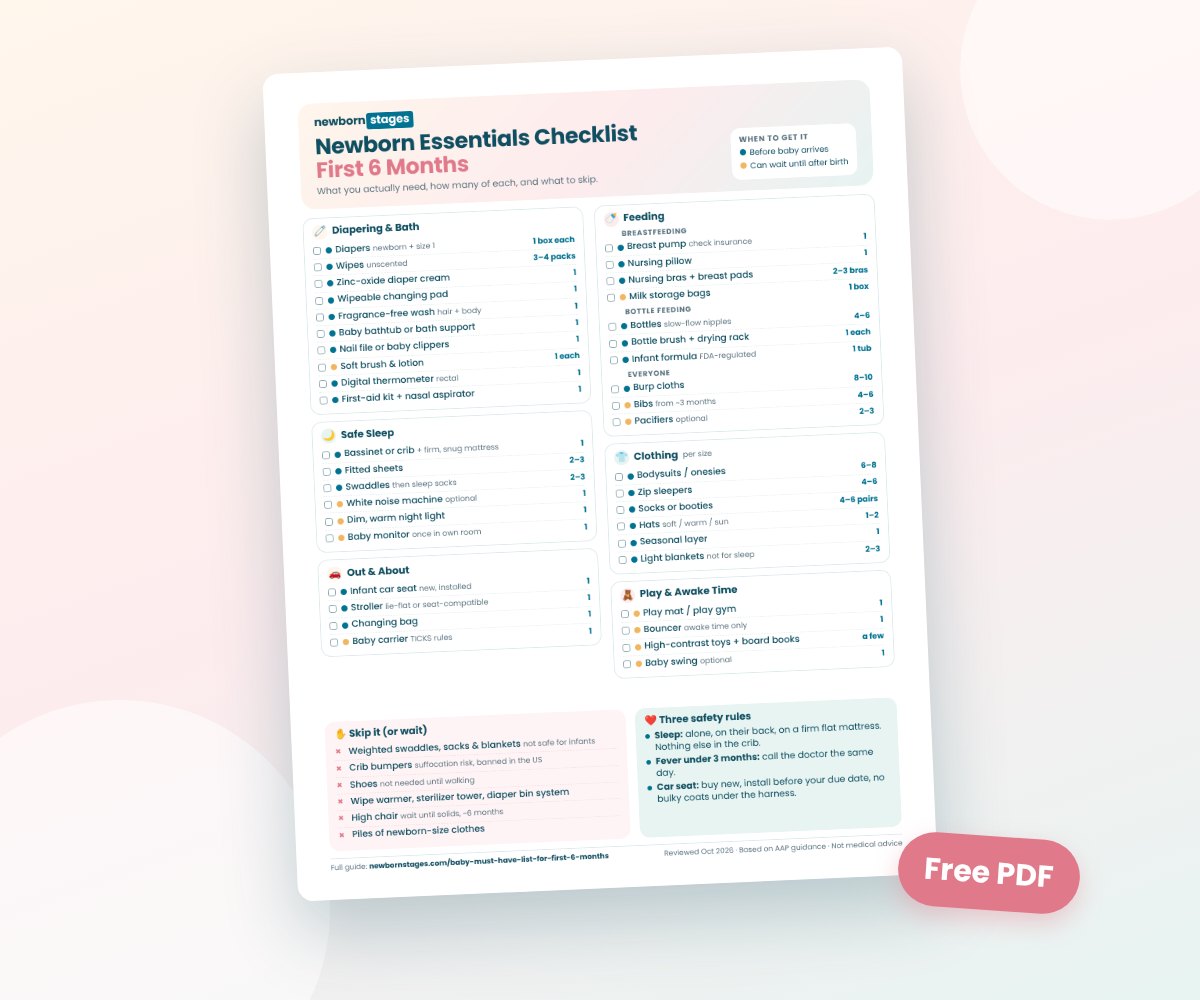
    Preview of the newborn shopping list checklistFree toolBuild your newborn shopping listMark what you have and need, then save your own list as a PDF.Start my list →
  • General Parenting
No Result
View All Result
Newborn Stages
No Result
View All Result

Home » 1-2 Months » Child Brain Development In The First 1000 Days (0-3 Years)

Child Brain Development In The First 1000 Days (0-3 Years)

Written by: Iordanis Konstantilakis
November 14, 2026
in 1-2 Months, 10-12 Months, 13-18 Months, 19-24 Months, 2-3 Years, 3-6 Months, 7-9 Months
Child Brain Development In The First 1000 Days
Key Takeaways
  • The first 1,000 days, from pregnancy to about age 2, are a key window for building the foundation of a child's brain, and brain growth is especially fast in the first three years.
  • Parents are a child's first teachers, and playing, talking and responding back and forth with a baby boosts mental growth even before the child can speak.
  • Healthy brain development depends on good nutrition during pregnancy, avoiding toxins such as lead, smoke and alcohol, and safe, responsive early experiences, while ongoing stress, neglect and trauma can harm it.
  • Brain development starts months before birth, so parents should take extra care during pregnancy with a nutritious diet and protection from disease, as these measures directly affect the child's brain.

Last reviewed: November 6, 2026. Checked against current guidance from the CDC, Nemours KidsHealth (American Academy of Pediatrics media guidance) and Cook Children’s.

According to scientific research, a child’s brain grows very quickly from before birth into early childhood. The first 1,000 days, from pregnancy to about age 2, are a key time for building that foundation. The CDC agrees that these early years matter a great deal. As a parent, there are many things that you should understand and ensure the healthy development of your child’s brain.

During the initial years of life, brain growth is especially fast. Therefore, the first three years of a child’s life deserve extra care, as a lot of cognitive development happens then. Keep reading to know more about a child’s brain development in the first 1000 days.

Importance Of Experiences for Brain Development

Parents are the most important people who help develop a child’s brain. Their interaction with the child is the main factor that boosts mental growth.

Playing, talking, and speaking to children is the first experience they receive. A child may not respond with words in the first year. But they are watching and listening, and your back-and-forth with them helps their mental growth.

This is why parents are known as the first teacher of a child. It is best to speak to your child to boost mental growth.

What Ensures A Healthy Brain Development?

Many factors play an important role in the healthy development of a child’s brain development. Every factor has its importance. Other than genes, there are key factors that help a child’s brain development in the first 1000 days.

Here are the top three key factors that play a critical role in brain development:

  • Healthy nutritional dieting during the pregnancy as well
  • Avoiding exposure to toxins, such as lead, smoke and alcohol
  • Early childhood experiences

Taking extra care and nurturing a child is the first stage of healthy brain development. Safe, positive experiences and responsive care help the brain grow. Extreme or ongoing stress, neglect and trauma can harm it, which is why a calm, caring adult matters so much.

Pre-Birth Measures for The Parents To Take For A Healthy Brain Development

The process of brain development of the child starts months before his birth. Therefore, the parents are advised to take extra care during pregnancy. In addition, a child needs to be protected from any diseases.

There are many measures that parents have to take. Although no doubt every parent takes these measures, not many know that they are connected directly to the child’s brain development. Mentioned below are some pre-birth measures that the parents have to take for the healthy brain development of their child.

  • A healthy and nutritional diet is one of the most important factors that keep the mother and the baby healthy during pregnancy. No doubt, the right nutritional diet ensures the child’s healthy development during pregnancy.
  • Make sure to have a sufficient folic acid intake as it helps develop the nervous system in the child.
  • The mother should protect herself from infections and toxins as much as possible.
  • Many types of risks can harm a child’s development in the womb, including the ones from alcohol and smoking.
  • Depression and stress can affect the mother’s mental health, and ongoing stress during pregnancy has been linked with premature birth. If you feel depressed or very stressed, talk to your doctor. Help is available.

These are the top pre-birth measures that every parent should keep in mind. A child’s brain development starts way before their birth, and that is why every stage of a child’s life requires extra care.

Ways To Encourage and Boost Brain Development

pro reviews3s

After the child’s birth, many ways can help you boost your child’s brain development. But, be it anyway, the first thing you have to do is spend a lot of time with your child. Seeing you all the time will help them learn your face, and this is how it all starts.

The connection between the parents and a child grows through everyday care, like feeding, cuddling and talking, and that is how brain development works.

During the first year of your child’s life, they will observe everything. Try to talk to them and play with them. At first, they may only smile, coo or giggle back. But that is a good sign that your child is responding to you, and it helps build their brain.

However, as your child grows and starts walking, things will change. Here are some ways to boost and encourage brain development.

1. Motor Skills

Before starting with anything, muscle is the most important part of your body and is directly synced with your brain. Next, teach your child motor skills to take brain development to the next level. Be it gross fine or gross motor skills, both of them help the best in the first 1000 days.

The motor skills ensure that the child’s muscles and brain are synced and coordinated. Motor skills help a child use their muscles for many things. For example, grabbing toys, using spoons, control objects.

2. Play with Your Child

Playing with your child is the first thing you will do, even if you are not doing it for brain development. You can play countless games with your child that help build their brain.

Handing toys, playing Peek-a-boo, and singing songs are the best things you can do. In addition, it would be best if you use actions while singing so they can copy the actions. Real play with you is better than screens. The AAP, as summarized by Nemours KidsHealth, recommends that babies younger than 18 months avoid screens, except for video calls with loved ones. Read also: Panda Crate KiwiCo Review: Brain-Building Play For 0 – 24m

3. Love

There is nothing that you cannot do with love. But, yes, babies can also feel stress, and this is when the comfort you provide them helps them the most. Warmth and comfort help babies calm down and settle to sleep.

Sensitive, responsive care helps protect a child’s brain from stress. Every parent feels frustrated sometimes. If you feel angry, Cook Children’s says it is okay to put your baby down somewhere safe, like their crib, and take a short break. Never shake a baby.

4. Read

Reading is one of the best ways to improve your child’s brain development. Your baby won’t understand the words at first. But hearing your voice and looking at pictures with you are the first steps toward language and communication skills.

It is recommended to repeat books as it helps them to recognize the words spoken and the images in the book. Read also: Reading Head Start Program Review: A Comprehensive Reading Program

How does Neglect Affect Your Childs’s Brain Development?

12 Month Sleep Regression

Ensuring the healthy brain development of your child helps them grow and creates a strong foundation for their future. It shows that brain development is linked with every part of their body and affects their life once they grow up.

On the other hand, neglect from the parents’ side can negatively affect brain development. Not only the brain development but neglect can impact a child’s life in the long term.

The absence of loving and responsive support from your parents can dent a child’s brain. It badly disrupts the cognitive functions of the brain.

Extreme or ongoing stress at an early age is too much to handle for a child, and that is not something they deserve. The more often it happens, the more it can affect their brain development.

Long-term neglect and stress can lead to problems with learning, confidence and mental health, and many other challenges later on.

No child deserves such a life due to neglect. Every life is precious and should be handled with care. Every family has disagreements. But frequent, angry conflict or violence at home is stressful for young children, so try to keep arguments calm and away from them, and seek help if you need it.

If you are worried about your child’s development, track their milestones and talk to your pediatrician. Finding problems early means help can start sooner.

Final Words

That was your complete guide for the child’s brain development during the first three years of its life. We have discussed every aspect in detail to make it easier to understand.

Brain development requires extensive care and love. Be it parents, caregivers, or any other family member, and everyone should be educated regarding this topic as it is one of the most sensitive ones.

This article is for general information and isn’t a substitute for medical advice. Always contact your pediatrician with questions about your baby’s health.

3 Sources

Newborn Stages uses trusted sources, including government health agencies, children’s hospitals and pediatric organizations, to support the facts in our articles. Read our editorial policy to learn how we research, fact-check and keep our content accurate.

  1. Centers for Disease Control and Prevention. Early Brain Development and Health.
  2. Nemours KidsHealth. Media Use Guidelines: Babies & Toddlers.
  3. Cook Children’s. Period of Purple Crying.

Iordanis Konstantilakis

Iordanis "Danis" Konstantilakis is a dad of two (a 9-year-old boy and a 5-year-old girl) and the founder of Newborn Stages. He has been reading and writing about baby and toddler development since 2016, and started this site in 2020 to give new parents the clear answers he couldn't find at 2am. By day he builds websites at weDigitalPLUS. He's a parent, not a doctor: every health article here is checked against the AAP, CDC, NHS and other trusted medical sources, linked in the article, and re-checked when guidance changes.

Preview of the newborn shopping list checklistFree toolBuild your newborn shopping listMark what you have and need, then save your own list as a PDF.Start my list →
Previous Post

Panda Crate KiwiCo Review: Brain-Building Play For 0 – 24m

Next Post

Developmental Milestones For 2 To 3 Years Toddlers: Understanding The Growth Of Your Child

You Might Also Like

Smiling five month old baby on a play mat during tummy time, reaching for a soft toy
3-6 Months

5 Month Old Baby Development: Milestones, Sleep and Feeding

November 23, 2026
Smiling toddler sitting on a potty reading a book while a parent kneels beside them encouraging
2-3 Years

When to Start Potty Training: 10 Signs Your Toddler Is Ready (and How Long It Takes)

November 12, 2026
Tired 18 month old toddler sitting awake in a crib at night rubbing one eye
13-18 Months

18 Month Sleep Regression (and 2 Year Old): Signs, How Long It Lasts & What Helps

November 24, 2026
Smiling baby crawling on hands and knees on a rug toward a wooden toy as a parent encourages them
7-9 Months

When Do Babies Start Crawling? Average Age, Types of Crawling & How to Help

November 12, 2026
Smiling mother changing a baby's diaper on a changing table in a bright nursery
1-2 Months

Baby Poop Color Guide: What Green, Yellow, Brown, Red, and Black Mean

November 12, 2026
Toddler in a yellow T-shirt reaching toward their mother's face as she kneels beside them
2-3 Years

Why Is My 2 Year Old Not Talking Much? When to Worry

November 6, 2026

Newborn Stages offers clear, well-sourced parenting information from a parent who has been there. Our mission is to help new parents find answers they can trust.

  • About us
  • Contact us
  • Advertise
  • Sitemap
  • Privacy Policy
  • Terms & Conditions
  • Disclaimer
  • Editorial Policy
  • Affiliate Disclosure
Facebook-f Instagram

Kindly take note that all the information is for educational purposes only and not a substitute for professional health services.

  • Checklist
  • Handover Sheet
  • Food Checker
  • Sleep Schedule
  • Crying Helper
  • All Free Tools
  • Development Stages
  • Feeding
  • Sleeping
  • Health & Safety
  • Product Reviews
©2026 www.newbornstages.com. All Rights Reserved.
No Result
View All Result
  • Home
  • Baby
    • Baby Development
      • Newborn (0–4 Weeks)
      • 1-2 Months
      • 3-6 Months
      • 7-9 Months
      • 10-12 Months
    • Baby Feeding
      • Breastfeeding
      • Bottle Feeding
      • Baby Food Recipes
    • Baby Sleep
      • Sleep Problems
      • Bedtime Routines & Sleep Basics
    • Baby Basics
      • Newborn Daily Care
      • Activities & Playtime
  • Toddler
    • Toddler Development
      • 13-18 Months
      • 19-24 Months
      • 2-3 Years
    • Toddler Sleep
      • Basics & Bedtime Routines
      • Problems & Concerns
    • Toddler Feeding
      • Healthy Food Recipes
      • Eating & Nutrition
      • Toddler Breastfeeding
    • Toddler Care & Training
      • Everyday Care & Training
      • Playtime & Education
  • Free Tools
    • Newborn Checklist
    • Baby Handover Sheet
    • Baby Food Checker
    • Baby Sleep Schedule
    • Why Is My Baby Crying?
  • Health & Safety
    • Common Health Concerns
    • Disabilities and Chronic Conditions
    • Everyday Wellness
    • Mental Health
    • Safety & First Aid
  • Gear & Products
    • Parenting Books – Courses
    • Infant & Toddler Beds & Sleep products
    • Toys
    • Nursing & Feeding
    • Health & Safety
    • Strollers & Accessories
    • Car Seats & Accessories
  • General Parenting

© 2026 www.newbornstages.com. All Rights Reserved.