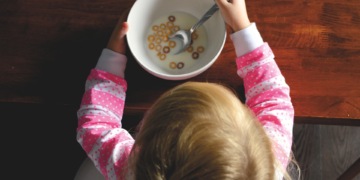













Why is Your Toddler Not Eating Dinner?
The first thing that you might be wondering is why your toddler not eating dinner. Well, there could be multiple contributing factors to this situation. One of the more prominent ones is that they’re in their growing phase and their desire for food can diminish based on their activities.
Along with this, you should know that your toddler has a small stomach. So, if you’re feeding them frequent snacks, especially before dinner, then you shouldn’t expect them to eat a lot of dinner later.
Not only this, but the issue with three-year olds is that their attention span is for mere seconds. They get distracted by everything around them, and so it’s even more difficult to make them focus on their food.
Apart from distractions, your toddler also tries to push boundaries while they’re growing. During this age, they’re trying to see how independent they can be by defying what you’re asking them to do. This portion is a little tricky to handle, but not impossible.
Don’t Panic; Accept That Kids Can Sometimes Be Like That
It’s important not to worry too much when your child refuses to eat dinner. It’s perfectly normal for kids to have days (or even phases) when they’re picky about what they’ll eat. Just remember that this is probably a phase and it will pass.
If your child refuses to eat dinner, it does not mean that you should start worrying about them. Observe their behavior for a couple of days, and if they are still refusing to eat at a certain time in the day then you should take some steps to understand what is going on.
Talk To Your Child About Why They Are Refusing To Eat Dinner
You three year old may be able to tell you why they are refusing to eat dinner. There could be a variety of reasons why they are no longer hungry such as:
- They are not feeling well.
- They are just not hungry at that time.
- They do not like what is being served.
If you can get to the root of the problem, you may be able to find a solution. If your child is simply not hungry, then try serving dinner a little later. If they are not liking what is being served, then see if you can offer them something else that is similar or that they may want to try.
Try A Different Approach
If your three-year-old is refusing to eat dinner, it may be time to try a different approach. Instead of forcing them to eat, try letting them choose what they want to eat from a variety of healthy options. By doing this, you’ll not only make mealtimes more enjoyable for them, but you’ll also ensure that they’re getting the nutrients they need.
- Give them smaller portions.
- Offer them a reward if they finish their dinner.
- Try changing the dinner time a little.
make way for food. Here’s what you can do:
Keep a Check on the Number of Snacks They’re Getting
Many times, parents move away from their child’s daily routine and eating habits by giving them snacks frequently. If you’re doing this, you’re filling your child’s stomach with junk.
We’ve already discussed how small a toddler’s tummy is. So, if you’re feeding them multiple things throughout the day, they’re bound to not feel hungry at night. Try limiting their snacks to only once in a day to avoid the situation from arising.

Don’t Throw a Tantrum to Match Their Stubbornness
If you’re going to meet their stubbornness with your tantrum, then things are going to get messy. You are the adult and you will need to remain calm throughout the situation. It can be quite difficult to keep your cool, but you will need to power through.
If your toddler says they don’t want to have dinner, you don’t need to force them to eat. Don’t lash out. Instead, ask them to remain seated with the family as it is a tradition to spend time with each other during dinner.
Offer Them A Variety Of Healthy Foods To Choose From
If your child is refusing to eat dinner, one thing you can do is offer them a variety of healthy foods to choose from. This way, they can pick and choose what they want to eat, and you can be sure that they’re getting some nutrients.
Try to include a protein, a vegetable, and a fruit on their plate. Some healthy dinner options include grilled chicken, steamed broccoli, and a sliced apple.
Another tip is to let them eat what they want for dinner, within reason. If they only want to eat chicken nuggets and french fries, that’s OK! Just make sure there are some healthier sides available as well, like a side salad or some fruit.
Make Their Meal Times Fun
If your child isn’t enjoying their meal times, then they’re not going to want to eat. Make sure that meal times are fun for them by involving them in the cooking process, setting up fun place settings, and playing music that they enjoy while they eat.
Consult A Pediatrician If Needed
If you have tried all of the tips above and your child is still refusing to eat dinner, it may be time to consult a pediatrician. There could be an underlying medical condition that is causing your child to lose their appetite.
A pediatrician will be able to give you the best course of action to take in order to get your child eating dinner again. They may also refer you to a nutritionist or dietitian who can help you create a meal plan that is tailored to your child’s needs.
Use Positive Reinforcement – Reward Them For Eating Dinner
One of the best ways to get your child to eat dinner is to use positive reinforcement. This means rewarding them for eating dinner, rather than punishing them for not eating.
Try using a sticker chart or other system where they earn a reward for every meal they eat. This will help them see that there is a benefit to eating dinner and will encourage them to do so.
Don’t Force Your Child As It May Annoy Them
If you try to force your child to eat, it will only make them more upset and may annoy them and they might stop eating altogether. Instead, try offering them small amounts of food and see if they are interested. If they still refuse, then let them be and try again later.
Use a Distraction
If your child is having a hard time sitting still long enough to eat their dinner, try using a distraction. Turn on a favorite show or put on some music that they enjoy. This will help them focus on something else and make it more likely that they’ll eat their dinner.
Plan Out a Bedtime Strategy
You might think that if your child won’t have dinner, then they’ll just have something in the morning. However, this shouldn’t be the case. You should always have a plan ready where you give your child something healthy to eat before they sleep.
Rather than giving them a delicious night treat, go for something boring, such as a glass full of milk, a bit of dinner leftovers, or even cheese. This will help break the cycle as your toddler wouldn’t want to have these snacks for the rest of their lives.
The trick of it all is to be consistent. Make sure that you form a routine that will end up making your child eat dinner timely. It will take time to see your child start eating, but it will be worth it. Be ready for high levels of tantrums at first before your child adapts to the eating routine.
Conclusion
If your child is refusing to eat dinner, it can be a frustrating experience. However, there are a few things you can do to try and encourage them to eat. From offering them a variety of healthy foods to choosing smaller portions, there are many options available.
If all else fails, consult a pediatrician to see if there is an underlying medical condition. And remember, the most important thing is to make sure that meal times are fun for your child!