

Newborn Stages
  • Home
  • Baby

    Development & Growth

    Newborn icon

    Newborn (0–4 Weeks)

    Feeding, sleep & first-week care

    1-2 months baby icon

    1-2 Months

    First smiles & tummy time

    3-6 months baby icon

    3-6 Months

    Rolling, giggles & grabbing

    7-9 months baby icon

    7-9 Months

    Sitting, crawling & first foods

    10-12 months baby icon

    10-12 Months

    Standing & first steps

    VIEW ALL
    Baby feeding icon
    Baby Feeding
    Breastfeeding
    Baby Food Recipes
    Bottle Feeding
    VIEW ALL
    Baby sleep icon
    Baby Sleep
    Sleep Problems
    Basics & Bedtime Routines
    VIEW ALL
    Baby basics icon
    Baby Basics
    Newborn Daily Care
    Essentials
    Activities & Playtime
    VIEW ALL
  • Toddler

    Development & Growth

    13-18 months toddler icon

    13-18 Months

    Walking & first words

    19-24 months toddler icon

    19-24 Months

    Talking & pretend play

    2-3 years toddler icon

    2-3 Years

    Big feelings & potty training

    VIEW ALL
    Toddler feeding icon
    Toddler Feeding
    Eating & Nutrition
    Healthy Food Recipes
    Toddler Breastfeeding
    VIEW ALL
    Toddler sleep icon
    Toddler Sleep
    Problems & Concerns
    Basics & Bedtime Routines
    VIEW ALL
    Toddler care and training icon
    Care & Training
    Playtime & Education
    Everyday Care & Training
    VIEW ALL
  • Essentials
  • Health & Safety
    • Everyday Wellness
    • Common Health Concerns
    • Disabilities and Chronic Conditions
    • Mental Health
    • Playtime
    • Safety & First Aid
  • Gear & ProductsReviews

    Gear & product reviews

    • Parenting books & courses
    • Beds & sleep products
    • Toys
    • Nursing & feeding
    • Strollers & accessories
    • Car seats & accessories
    • Health & safety products

    Latest reviews

    Dad/Partner Picks: Baby Products Men Actually Love (and Use)

    Best Under $30 Baby Toys That Feel Premium!

    Top 5 Travel Strollers of 2026 — Lightweight, Foldable & Airline-Approved!

    See all gear reviews →

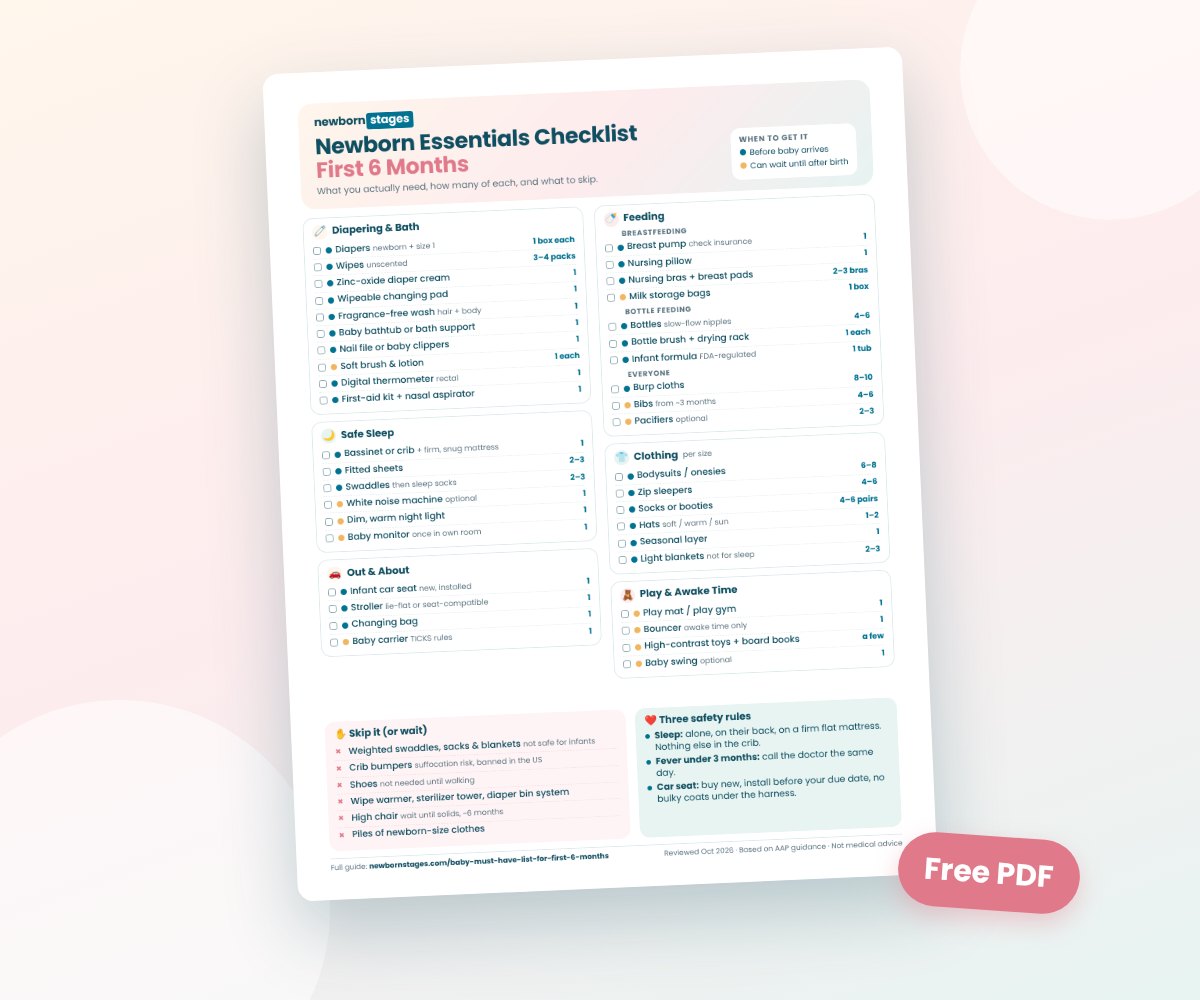
    Preview of the newborn shopping list checklistFree toolBuild your newborn shopping listMark what you have and need, then save your own list as a PDF.Start my list →
  • General Parenting
No Result
View All Result
Newborn Stages
No Result
View All Result

Home » Common Health Concerns » Signs Of Hearing Loss In Toddlers Age 2-3 Years

Signs Of Hearing Loss In Toddlers Age 2-3 Years

Written by: Danis
June 10, 2022 - Updated on May 29, 2023
in Common Health Concerns
Signs Of Hearing Loss In Toddlers Age 2-3 Years

Hearing loss is a natural problem that a child can face from birth through childhood. Sometimes there may be no reason for a hearing loss, and the inheritance of the problem is not the reason to blame. Toddlers can face this problem even if no one in their family previously had.

It may be difficult for you to understand if the child faces a hearing loss. They cannot tell, and their brain is at the development stage, which may seem normal to them. However, some signs and symptoms reflect the hearing loss problem.

Please keep reading to understand how you can know if your toddler is suffering from hearing loss.

Key Notes

  • Hearing loss is one of the most serious problems
  • Observe the behavior of your child if you notice the signs of hearing loss
  • Get your child’s tests, and a hearing screen is done for a detailed examination
  • Make sure to get it treated it in time otherwise it may stay as a permanent issue

Signs That Tell You If Your Child Is Suffering From Hear Loss

Here is a list of signs that tell your child is suffering from hearing loss and needs immediate treatment.

1. No Reactions

This is one of the most common signs that you will see if your child is suffering from hearing loss. Make sure to observe to interpret their behavior carefully. There are some things that they will not react to at all. Some of them include:

  • Loud sounds
  • Calling their name
  • It sounds like they are being held

These are the things you will receive no reaction from the baby. If you think your child is suffering from hearing loss, you can try this and confirm. However, not reacting to sounds is not only a sign.

2. Speech Problems

Age 2 to 3 is when most kids at least try saying understandable words, and their speech is more than just babble.

A toddler’s brain is developed at such a level that they can repeat the words you ask them. So, for example, many parents ask their child to say, dad or mom.

However, if your child is around three years old and babbles without making any sense, that can mean that they cannot hear what we are asking them to say.

This is because the words have not made sense and a combination in their brain as they have not heard it.

Therefore, if your child is facing speech problems, hearing loss can be blamed here.

3. Ear Is Malformed At Birth

This is one of the signs that are in front of you. However, if the ear is malformed at birth is not confirmed that the child will face hearing loss. So there may be chances for it, but it is not confirmed.

Therefore, with time passing, you will get to know if the malformed ear is creating an issue for hearing or not. But your child was born with a malformed ear, and there are many precautions that you already have to take.

But it depends on what the doctor asks you to follow.

4. Unusual Response To The Questions Asked

The age of three years is enough for a child to speak and respond to many things. As we mentioned, a child with hearing loss wouldn’t know that he is. Things may seem normal to him, so he will respond in a manner he thinks is fit for it.

If you ask questions to your child ad get an unusual response, it is obvious that you will let it go for the first time. However, if this keeps on happening, it is something that you need to turn your attention to.  

5. Tries To Convey the Message Through Actions

Due to the hearing loss, the child doesn’t know words or cannot use the combination of words to make sense of their sentences. Therefore, the child may use actions to convey what they are trying to say.

This may be normal for one time, but if it is done regularly, confirm if your child is facing hearing loss.

What To Do If A Toddler Is Facing Hearing Loss?

If you think your child is facing hearing loss, it is a problem that needs to be responded to immediately. Make sure to go to the pediatrician without any hesitation. Many hearing screening tests can easily tell if your child is suffering from hearing loss or not.

The screening test is painless and can be done even if your child is sleeping. So don’t worry; it is a simple and easy process.

There are different types of tests that the pediatrician may do. Some of them include:

  • BAER test is done to check the brain’s response to various types of sounds. This one can also be done if the child is sleeping
  • OAE test is to confirm the response of the inner ear to sounds
  • A behavioral audiometry test is a complete screening test. It includes testing each part of there and seeing if the body responds to sounds. This test is the only one that requires the child to be awake.

All these tests will confirm if your child is facing hearing loss. The tests are essential as they will explain why it has happened and if it can be treated or not. In addition, the tests will provide the level of damage.

Can Hearing Loss In Toddlers Be Treat?

Many parents whose children have hearing loss have this question. In some cases, the hearing loss be managed or treated. But it depends on the reason the loss was caused and its damage to the ear.

After a thorough inspection and tests by the doctors, it can be confirmed it the hearing loss of your child can be treated or not. So whenever you think that your child is suffering from hearing loss, don’t wait for any other signal.

Head towards the pediatrician and get your child checked.

Final Words

Hearing loss in toddlers is one of the most common problems. Unfortunately, some are treated, and some children have to live like that. Every parent should take extreme care of their child, and if they observe any of the signs, they should head to the doctor right away.


ShareTweetPinSend

Follow Newborn Stages on Google News

Danis

Father of two (a 9-year-old boy and a 5-year-old girl) and the founder of Newborn Stages. I've been researching and writing about baby and toddler development since 2016, and I started this site in 2020 because I couldn't find the clear, honest answers I needed as a new dad. I'm a parent, not a doctor. Every health article here is checked against guidance from the AAP, CDC, NHS and other trusted medical sources, with those sources linked in the article, and re-checked whenever that guidance changes.

Preview of the newborn shopping list checklistFree toolBuild your newborn shopping listMark what you have and need, then save your own list as a PDF.Start my list →
Previous Post

Separation Anxiety In Toddlers Age 2!

Next Post

12 Foods For Toddlers During Cold And Cough

You Might Also Like

Mother calmly holding a toddler with croup upright near a slightly open window at night
Common Health Concerns

Croup in Babies and Toddlers: Barking Cough, Stridor, Croup vs RSV & When to Go to the ER

October 27, 2026
Father giving small sips from a bottle to a tired baby recovering from a stomach bug, with a burp cloth and electrolyte drink nearby
Common Health Concerns

Stomach Bug in Babies: Norovirus Symptoms, Signs of Dehydration & Is Pedialyte Safe?

October 26, 2026
Flu in Babies: Symptoms, Emergency Warning Signs & the 2026–27 Flu Shot
Common Health Concerns

Flu in Babies: Symptoms, Emergency Warning Signs & the 2026–27 Flu Shot

October 20, 2026 - Updated on October 27, 2026
RSV in Babies: Symptoms, Warning Signs & the 2026–2027 RSV Shot Explained
Common Health Concerns

RSV in Babies: Symptoms, Warning Signs & the 2026–2027 RSV Shot Explained

October 19, 2026 - Updated on October 27, 2026
Baby Constipation: What’s Normal and What to Do
Newborn Daily Care

Baby Constipation: What’s Normal and What to Do

June 4, 2026
When Do Babies Start Breathing Through Their Mouth?
Common Health Concerns

When Do Babies Start Breathing Through Their Mouth?

April 8, 2025 - Updated on February 9, 2026

Leave a Reply Cancel reply

Your email address will not be published. Required fields are marked *

I agree to the Terms & Conditions and Privacy Policy.

Newborn Stages offers clear, well-sourced parenting information from a parent who has been there. Our mission is to help new parents find answers they can trust.

  • About us
  • Contact us
  • Advertise
  • Write for us
  • Sitemap
  • Privacy Policy
  • Terms & Conditions
  • Disclaimer
  • Editorial Policy
  • Affiliate Disclosure
Facebook-f Instagram

Kindly take note that all the information is for educational purposes only and not a substitute for professional health services.

  • Essentials
  • Development Stages
  • Feeding
  • Sleeping
  • Health & Safety
  • Product Reviews
©2026 www.newbornstages.com. All Rights Reserved.
No Result
View All Result
  • Home
  • Baby
    • Baby Development
      • Newborn (0–4 Weeks)
      • 1-2 Months
      • 3-6 Months
      • 7-9 Months
      • 10-12 Months
    • Baby Feeding
      • Breastfeeding
      • Bottle Feeding
      • Baby Food Recipes
    • Baby Sleep
      • Sleep Problems
      • Bedtime Routines & Sleep Basics
    • Baby Basics
      • Newborn Daily Care
      • Activities & Playtime
  • Toddler
    • Toddler Development
      • 13-18 Months
      • 19-24 Months
      • 2-3 Years
    • Toddler Sleep
      • Basics & Bedtime Routines
      • Problems & Concerns
    • Toddler Feeding
      • Healthy Food Recipes
      • Eating & Nutrition
      • Toddler Breastfeeding
    • Toddler Care & Training
      • Everyday Care & Training
      • Playtime & Education
  • Essentials
  • Health & Safety
    • Common Health Concerns
    • Disabilities and Chronic Conditions
    • Everyday Wellness
    • Mental Health
    • Safety & First Aid
  • Gear & Products
    • Parenting Books – Courses
    • Infant & Toddler Beds & Sleep products
    • Toys
    • Nursing & Feeding
    • Health & Safety
    • Strollers & Accessories
    • Car Seats & Accessories
  • General Parenting

© 2026 www.newbornstages.com. All Rights Reserved.