

Newborn Stages
  • Home
  • Baby

    Development & Growth

    Newborn icon

    Newborn (0–4 Weeks)

    Feeding, sleep & first-week care

    1-2 months baby icon

    1-2 Months

    First smiles & tummy time

    3-6 months baby icon

    3-6 Months

    Rolling, giggles & grabbing

    7-9 months baby icon

    7-9 Months

    Sitting, crawling & first foods

    10-12 months baby icon

    10-12 Months

    Standing & first steps

    VIEW ALL
    Baby feeding icon
    Baby Feeding
    Breastfeeding
    Baby Food Recipes
    Bottle Feeding
    VIEW ALL
    Baby sleep icon
    Baby Sleep
    Sleep Problems
    Basics & Bedtime Routines
    VIEW ALL
    Baby basics icon
    Baby Basics
    Newborn Daily Care
    Essentials
    Activities & Playtime
    VIEW ALL
  • Toddler

    Development & Growth

    13-18 months toddler icon

    13-18 Months

    Walking & first words

    19-24 months toddler icon

    19-24 Months

    Talking & pretend play

    2-3 years toddler icon

    2-3 Years

    Big feelings & potty training

    VIEW ALL
    Toddler feeding icon
    Toddler Feeding
    Eating & Nutrition
    Healthy Food Recipes
    Toddler Breastfeeding
    VIEW ALL
    Toddler sleep icon
    Toddler Sleep
    Problems & Concerns
    Basics & Bedtime Routines
    VIEW ALL
    Toddler care and training icon
    Care & Training
    Playtime & Education
    Everyday Care & Training
    VIEW ALL
  • Free Tools
    • Newborn Checklist
    • Baby Handover Sheet
  • Health & Safety
    • Everyday Wellness
    • Common Health Concerns
    • Disabilities and Chronic Conditions
    • Mental Health
    • Playtime
    • Safety & First Aid
  • Gear & ProductsReviews

    Gear & product reviews

    • Parenting books & courses
    • Beds & sleep products
    • Toys
    • Nursing & feeding
    • Strollers & accessories
    • Car seats & accessories
    • Health & safety products

    Latest reviews

    Dad/Partner Picks: Baby Products Men Actually Love (and Use)

    Best Under $30 Baby Toys That Feel Premium!

    Top 5 Travel Strollers of 2026 — Lightweight, Foldable & Airline-Approved!

    See all gear reviews →

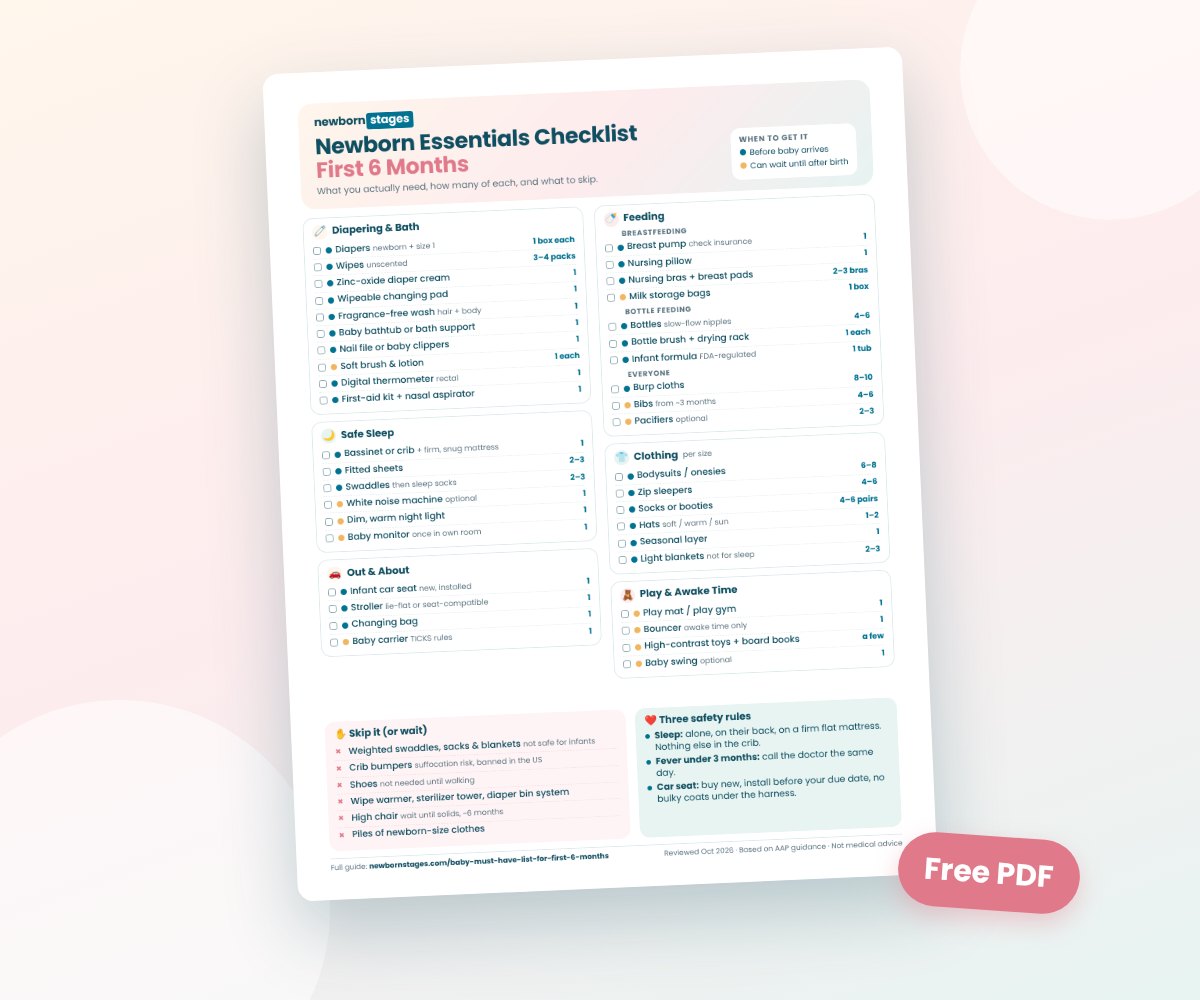
    Preview of the newborn shopping list checklistFree toolBuild your newborn shopping listMark what you have and need, then save your own list as a PDF.Start my list →
  • General Parenting
No Result
View All Result
Newborn Stages
No Result
View All Result

Home » General Parenting » Preparing the Nursery for Twins or Multiples

Preparing the Nursery for Twins or Multiples

Written by: Iordanis Konstantilakis
November 14, 2026
in General Parenting
Preparing the Nursery for Twins or Multiples
Key Takeaways
  • Planning a nursery for twins or multiples means allowing for extra space: several cribs, more than one changing station, and added storage, with a layout that leaves room to move.
  • The AAP recommends that babies sleep in their parents' room, on their own sleep surface, for at least the first 6 months, so the nursery may mainly be used for changing, storage and play at first.
  • Each baby needs their own crib, since twins should not share one even when tiny, and convertible cribs, a large changing table, or a dresser with a secured changing pad save space.
  • Vertical storage like shelves and wall-mounted racks, labeled baskets and bins, and over-the-door organizers keep supplies tidy without using up floor space.

Last reviewed: November 6, 2026. Checked against current guidance from the AAP, the CPSC, Nationwide Children’s Hospital and Children’s Hospital of Philadelphia.

Welcoming twins or multiples into your family is an exciting and overwhelming experience. As you prepare for their arrival, one of the most important tasks is setting up the nursery.

This space will not only be where your little ones will spend a lot of their time, but it will also serve as a haven for you as you navigate the joys and challenges of raising twins or multiples.

This blog post will discuss tips and tricks for preparing the nursery for your little bundles of joy. From organization to safety measures, we’ve got you covered. Let’s get started!

Understanding the space requirements for multiples

When preparing a nursery for twins or multiples, it’s crucial to consider the amount of space you’ll need.

Unlike a single-baby nursery, multiples require more room for two or more cribs, double the changing stations, and additional storage for clothing and supplies.

One thing to know first: the AAP recommends that babies sleep in their parents’ room, close to your bed but on their own sleep surface, for at least the first 6 months. So in the early months, you may want a crib or bassinet for each baby in your room, and use the nursery for changing, storage and play.

Efficient use of space becomes key. Consider room layout carefully, ensuring enough space for movement and essential activities.

Multiples will share this space for everything from sleeping to playing.

Hence, maximizing the nursery’s square footage is necessary for a functional and comfortable environment for babies and caregivers.

Selecting the right furniture for twins or multiples

When selecting furniture for twins or multiples, looking for pieces that can serve dual purposes and save space is important.

Each baby needs their own crib. The AAP says twins should not share a crib, even when they are tiny. Opt for cribs that can convert into toddler beds to accommodate growing children.

For changing needs, consider a large changing table with ample storage below, allowing for a tidy organization of essentials like diapers and changing pad covers.

A high-quality double-duty dresser can also serve as additional storage and a changing station by adding a secured changing pad.

This approach streamlines the nursery and ensures that every piece of furniture is functional and adaptable for future generations.

Efficient storage solutions for a twins’ nursery

In a nursery for twins or multiples, efficient storage is non-negotiable. Vertical space with shelving units and wall-mounted racks can dramatically increase storage capacity without compromising floor space.

Consider baskets and bins for easily categorizing toys, clothes, and other essentials; these can be labeled for quick access.

Additionally, over-the-door organizers offer a clever solution for frequently used items like bibs and burp cloths.

Choose storage options that match the nursery’s theme and color scheme for a cohesive look.

Emphasizing organization and accessibility will streamline care routines, making life easier for parents and caregivers.

Designing a safe and stimulating environment

Creating a safe and stimulating environment in the nursery for twins or multiples involves adhering to safety standards and integrating elements that encourage development.

The CPSC advises anchoring all furniture to the wall to prevent tipping. Ensure cribs meet current safety guidelines. Incorporate a variety of textures and colors through rugs, wall art, and mobiles to stimulate your babies’ senses. Hang mobiles securely and out of reach. Take them down at 5 months or when a baby can get up on hands and knees, whichever comes first.

Introduce soft lighting and gentle music to create a soothing atmosphere, and make sure electrical outlets are covered and cords are out of reach. As the CPSC recommends, choose cordless window coverings, and keep cribs away from windows and blind cords.

This thoughtful setup will provide a secure space that fosters your little ones’ growth and exploration.

Creating a comfortable atmosphere for sleep and relaxation

Making sure that the nursery is conducive to sleep and relaxation is paramount for twins or multiples. Utilize soft, calming colors on walls and fitted crib sheets to create a serene environment. Keep each crib bare: a firm, flat mattress with a fitted sheet only. No bumpers, pillows, blankets or stuffed toys.

Invest in a sound machine that emits white noise or gentle lullabies to help soothe your babies to sleep. Children’s Hospital of Philadelphia advises keeping the volume low and placing it at least 2 meters (about 7 feet) from the cribs. Blackout curtains can be a lifesaver for maintaining a dark, restful space during naps and nighttime.

Maintaining a consistent, comfortable temperature in the nursery will help your little ones relax and sleep better. Avoid overheating. Dress each baby in no more than one layer more than you would wear, and use a wearable blanket instead of loose blankets.

These elements combined will aid in establishing healthy sleep habits for your twins or multiples from the start.

Tips for a flexible nursery layout

Adopting a flexible nursery layout is vital when preparing for twins or multiples.

Opt for furniture on locking casters, like cribs and storage units, to easily reconfigure the room as your babies grow and their needs change.

Consider modular storage options that can be rearranged or expanded. Ensure there is enough open space for play and interaction, which is essential for developmental milestones.

Utilizing foldable items, such as changing tables and play mats, can also help quickly adapt the room for different activities or make extra space when needed.

Personalizing the nursery for each child

Personalizing the nursery for each child, even in a shared space, is vital for nurturing their individuality.

Consider incorporating monogrammed items or personalized wall art for each baby.

Selecting slightly varied fitted sheets or mobiles that reflect each child’s emerging personality can also make a big difference.

Creating a small, dedicated area within the nursery where each child’s unique toys or keepsakes are displayed helps recognize and celebrate their individuality from an early age.

This approach fosters a sense of belonging and identity for each baby, making the nursery a special place for everyone.

Budgeting for a twins or multiples nursery

Budgeting for a nursery designed for twins or multiples requires a strategic approach to ensure that all essentials are covered without overspending.

Start by listing must-have items versus nice-to-have items, focusing on multifunctional furniture and storage solutions that offer long-term value.

Consider setting up a registry for more oversized items or exploring second-hand options to cut costs. If you buy a used crib, choose one made after June 2011, never a drop-side model, and check it for missing or broken parts.

Allocating funds for high-quality items in areas impacting safety and sleep is wise, while decorative elements can be more budget-friendly.

Remember, planning and prioritizing expenses can make creating a functional and beautiful nursery for your twins or multiples more affordable.

As you set up a nursery for your twins or multiples, remember that this space is more than just a room — countless memories will be made and milestones celebrated.

Focusing on practicality, safety, and personal touches creates a nurturing environment that caters to your babies’ needs while reflecting your family’s unique story.

The effort and love you pour into preparing the nursery will lay the foundation for a welcoming and comfortable home for your little ones to grow and thrive.

This article is for general information and isn’t a substitute for medical advice. Always contact your pediatrician with questions about your baby’s health.

6 Sources

Newborn Stages uses trusted sources, including government health agencies, children’s hospitals and pediatric organizations, to support the facts in our articles. Read our editorial policy to learn how we research, fact-check and keep our content accurate.

  1. HealthyChildren.org (AAP). How to Keep Your Sleeping Baby Safe: AAP Policy Explained.
  2. HealthyChildren.org (AAP). Make Baby’s Room Safe: Parent Checklist.
  3. Nationwide Children’s Hospital. Tips for Raising Multiples.
  4. Children’s Hospital of Philadelphia. White Noise: Not the Right Noise.
  5. U.S. Consumer Product Safety Commission. Window Covering Cords.
  6. U.S. Consumer Product Safety Commission. AnchorIt.gov.

Iordanis Konstantilakis

Iordanis "Danis" Konstantilakis is a dad of two (a 9-year-old boy and a 5-year-old girl) and the founder of Newborn Stages. He has been reading and writing about baby and toddler development since 2016, and started this site in 2020 to give new parents the clear answers he couldn't find at 2am. By day he builds websites at weDigitalPLUS. He's a parent, not a doctor: every health article here is checked against the AAP, CDC, NHS and other trusted medical sources, linked in the article, and re-checked when guidance changes.

Preview of the newborn shopping list checklistFree toolBuild your newborn shopping listMark what you have and need, then save your own list as a PDF.Start my list →
Previous Post

Promoting Development and Nutritious Feeding Strategies for Low Birth Weight Babies

Next Post

How To Dress Baby With Fever At Night?

You Might Also Like

Father holding a swaddled newborn in an armchair while the mother rests on a sofa behind him
General Parenting

When Someone Takes Over the Baby, They Should Take Over the Thinking Too

November 6, 2026
Best Ways to Store Summer Water Toys to Prevent Mold and Damage
General Parenting

Best Ways to Store Summer Water Toys to Prevent Mold and Damage

November 14, 2026
How Often a Newborn Eats: A Complete Guide for New Parents!
General Parenting

How Often a Newborn Eats: A Complete Guide for New Parents!

November 14, 2026
Labor Day with Baby: Memorable Ways to Celebrate the Long Weekend
Activities & Playtime

Labor Day with Baby: Memorable Ways to Celebrate the Long Weekend

November 14, 2026
Summer Nap Time Survival: Tips for Putting Your Baby Down on Hot, Sunny Days
General Parenting

Summer Nap Time Survival: Tips for Putting Your Baby Down on Hot, Sunny Days

November 14, 2026
Why Am I Gaining Weight While Breastfeeding And Exercising?
General Parenting

Why Am I Gaining Weight While Breastfeeding And Exercising?

November 14, 2026

Newborn Stages offers clear, well-sourced parenting information from a parent who has been there. Our mission is to help new parents find answers they can trust.

  • About us
  • Contact us
  • Advertise
  • Sitemap
  • Privacy Policy
  • Terms & Conditions
  • Disclaimer
  • Editorial Policy
  • Affiliate Disclosure
Facebook-f Instagram

Kindly take note that all the information is for educational purposes only and not a substitute for professional health services.

  • Checklist
  • Handover Sheet
  • Development Stages
  • Feeding
  • Sleeping
  • Health & Safety
  • Product Reviews
©2026 www.newbornstages.com. All Rights Reserved.
No Result
View All Result
  • Home
  • Baby
    • Baby Development
      • Newborn (0–4 Weeks)
      • 1-2 Months
      • 3-6 Months
      • 7-9 Months
      • 10-12 Months
    • Baby Feeding
      • Breastfeeding
      • Bottle Feeding
      • Baby Food Recipes
    • Baby Sleep
      • Sleep Problems
      • Bedtime Routines & Sleep Basics
    • Baby Basics
      • Newborn Daily Care
      • Activities & Playtime
  • Toddler
    • Toddler Development
      • 13-18 Months
      • 19-24 Months
      • 2-3 Years
    • Toddler Sleep
      • Basics & Bedtime Routines
      • Problems & Concerns
    • Toddler Feeding
      • Healthy Food Recipes
      • Eating & Nutrition
      • Toddler Breastfeeding
    • Toddler Care & Training
      • Everyday Care & Training
      • Playtime & Education
  • Free Tools
    • Newborn Checklist
    • Baby Handover Sheet
  • Health & Safety
    • Common Health Concerns
    • Disabilities and Chronic Conditions
    • Everyday Wellness
    • Mental Health
    • Safety & First Aid
  • Gear & Products
    • Parenting Books – Courses
    • Infant & Toddler Beds & Sleep products
    • Toys
    • Nursing & Feeding
    • Health & Safety
    • Strollers & Accessories
    • Car Seats & Accessories
  • General Parenting

© 2026 www.newbornstages.com. All Rights Reserved.