

Newborn Stages
  • Home
  • Baby

    Development & Growth

    Newborn icon

    Newborn (0–4 Weeks)

    Feeding, sleep & first-week care

    1-2 months baby icon

    1-2 Months

    First smiles & tummy time

    3-6 months baby icon

    3-6 Months

    Rolling, giggles & grabbing

    7-9 months baby icon

    7-9 Months

    Sitting, crawling & first foods

    10-12 months baby icon

    10-12 Months

    Standing & first steps

    VIEW ALL
    Baby feeding icon
    Baby Feeding
    Breastfeeding
    Baby Food Recipes
    Bottle Feeding
    VIEW ALL
    Baby sleep icon
    Baby Sleep
    Sleep Problems
    Basics & Bedtime Routines
    VIEW ALL
    Baby basics icon
    Baby Basics
    Newborn Daily Care
    Essentials
    Activities & Playtime
    VIEW ALL
  • Toddler

    Development & Growth

    13-18 months toddler icon

    13-18 Months

    Walking & first words

    19-24 months toddler icon

    19-24 Months

    Talking & pretend play

    2-3 years toddler icon

    2-3 Years

    Big feelings & potty training

    VIEW ALL
    Toddler feeding icon
    Toddler Feeding
    Eating & Nutrition
    Healthy Food Recipes
    Toddler Breastfeeding
    VIEW ALL
    Toddler sleep icon
    Toddler Sleep
    Problems & Concerns
    Basics & Bedtime Routines
    VIEW ALL
    Toddler care and training icon
    Care & Training
    Playtime & Education
    Everyday Care & Training
    VIEW ALL
  • Essentials
  • Health & Safety
    • Everyday Wellness
    • Common Health Concerns
    • Disabilities and Chronic Conditions
    • Mental Health
    • Playtime
    • Safety & First Aid
  • Gear & ProductsReviews

    Gear & product reviews

    • Parenting books & courses
    • Beds & sleep products
    • Toys
    • Nursing & feeding
    • Strollers & accessories
    • Car seats & accessories
    • Health & safety products

    Latest reviews

    Dad/Partner Picks: Baby Products Men Actually Love (and Use)

    Best Under $30 Baby Toys That Feel Premium!

    Top 5 Travel Strollers of 2026 — Lightweight, Foldable & Airline-Approved!

    See all gear reviews →

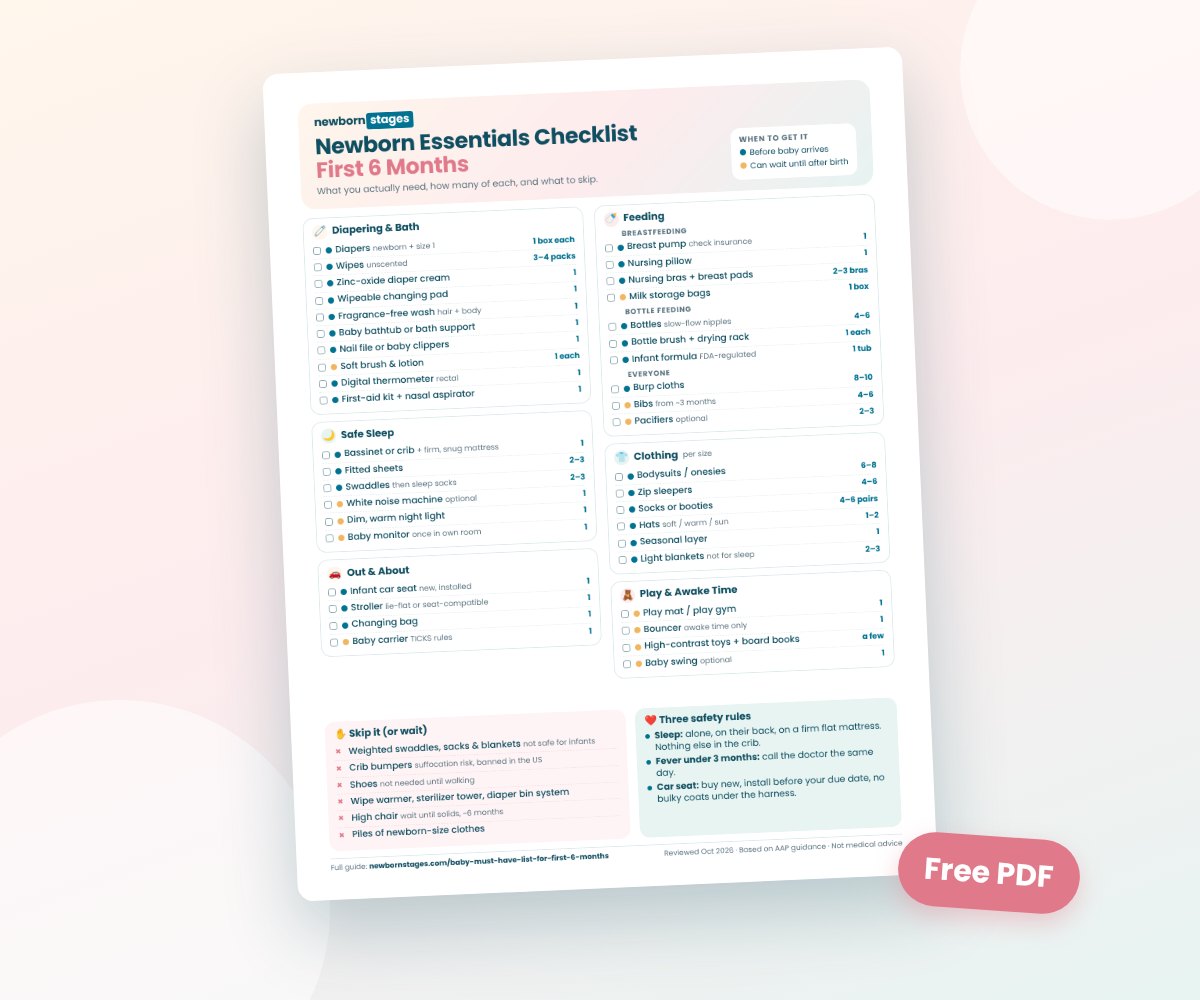
    Preview of the newborn shopping list checklistFree toolBuild your newborn shopping listMark what you have and need, then save your own list as a PDF.Start my list →
  • General Parenting
No Result
View All Result
Newborn Stages
No Result
View All Result

Home » Breastfeeding » 8 Foods for Breastfeeding Mothers to Eat and Avoid

8 Foods for Breastfeeding Mothers to Eat and Avoid

Written by: Danis
November 6, 2026
in Breastfeeding
8 Foods for Breastfeeding Mothers to Eat and Avoid
Key Takeaways
  • A varied diet with fruits, vegetables, whole grains, protein and calcium-rich foods supports the breastfeeding parent's recovery and energy, and breastfeeding requires about 330 to 400 extra calories a day.
  • Good choices include water (drink to thirst), nuts, yogurt, bananas, whole grains, honey in moderation, and green tea counted toward daily caffeine, but honey should never be given to babies under one year.
  • Low-mercury fish like salmon, sardines and canned light tuna provide DHA for the baby's brain and eye development, with the FDA recommending 2 to 3 servings a week and advising avoidance of high-mercury fish.
  • Few foods need limiting: keep caffeine to about 300 mg a day and wait at least 2 hours after one alcoholic drink before nursing, while dairy, citrus, spicy foods and chocolate are fine unless the baby clearly reacts.

Last reviewed: November 6, 2026 · Updated to match current CDC, FDA and American Academy of Pediatrics (AAP) guidance.

Quick answer: While breastfeeding, eat a varied diet with plenty of fruits, vegetables, whole grains, protein and calcium-rich foods, and drink to thirst. Good choices include yogurt, low-mercury fish like salmon, nuts, bananas and whole grains. There are very few foods you truly need to limit: keep caffeine to about 300 mg a day, wait at least 2 hours after one drink before nursing, and avoid high-mercury fish. You don’t need to cut out dairy, citrus, spicy foods or chocolate unless your baby clearly reacts to them.

Breast milk is remarkably consistent, even when your diet isn’t perfect. Eating well mostly helps you recover, keep up your energy and meet your own nutrient needs. Breastfeeding parents need roughly 330 to 400 extra calories a day. Here are 8 great foods to eat, and the 8 most-asked-about foods to limit or not worry about.

8 Good Foods for Breastfeeding Parents

1) Honey

Jar of honey

Honey is safe for you to eat while breastfeeding, as a natural sweetener in moderation. It contains small amounts of antioxidants. Never give honey to your baby before their first birthday, because it can cause infant botulism. See our guide on eating honey while breastfeeding.

2) Water

Glass of water

Making milk uses fluid, so you’ll often feel thirsty. There’s no exact amount you have to drink. Drinking to thirst is enough for most people, and drinking extra won’t increase your milk supply. Keep a glass of water nearby during feeds, and check that your urine is pale yellow.

3) Almonds and Other Nuts

Almonds

Nuts and nut butters are rich in healthy fats, protein, vitamin E and magnesium, and make an easy one-handed snack. There’s no need to avoid nuts or peanuts while breastfeeding.

4) Yogurt

Bowl of yogurt

Yogurt is a great source of protein, calcium and, if fortified, vitamin D. Choose plain or low-sugar varieties.

5) Bananas

Bananas

Bananas give quick energy, potassium, fiber and vitamin B6, and are easy to eat while holding a baby.

6) Salmon and Other Low-Mercury Fish

Salmon fillet

Salmon contains omega-3 fats such as DHA, which pass into breast milk and support your baby’s brain and eye development. The FDA recommends 2 to 3 servings (8 to 12 ounces) a week of low-mercury fish, such as salmon, sardines, cod, shrimp and canned light tuna.

7) Whole Grains

Whole grains

Oats, brown rice, whole-wheat bread and other whole grains give steady energy, fiber and B vitamins to keep you going through long days and nights.

8) Green Tea, in Moderation

Cup of green tea

Green tea contains antioxidants, but it also contains caffeine, about 30 to 50 mg per cup. Count it toward your daily caffeine total. Avoid herbal teas and supplements unless your doctor says they’re safe while breastfeeding.

Foods and Drinks to Limit (and Some You Don’t Need to Avoid)

1) Caffeine: Limit

Cup of coffee

You don’t need to cut out caffeine. The CDC says up to about 300 mg a day, around 2 to 3 cups of coffee, is generally fine. More than that may make some babies fussy or wakeful. Moderate caffeine doesn’t reduce your milk supply. Newborns and premature babies process caffeine more slowly, so you may want less in the early weeks.

2) Alcohol: Limit

Glass of wine

Not drinking is the safest choice. According to the CDC, up to one standard drink a day is not known to harm babies, especially if you wait at least 2 hours before nursing. Heavier drinking can reduce milk supply and affect your baby’s sleep, growth and development. Never bed-share or care for your baby alone after drinking.

3) High-Mercury Fish: Avoid

Avoid shark, swordfish, king mackerel, bigeye tuna, marlin, orange roughy and tilefish. Mercury can pass into breast milk and affect your baby’s developing brain.

4) Artificial Sweeteners: Okay in Moderation

Sweet treats

FDA-approved sweeteners, such as sucralose and aspartame, are considered acceptable in normal amounts while breastfeeding. The exception is aspartame if your baby has phenylketonuria (PKU), a rare condition babies are screened for at birth. Water and unsweetened drinks are still the best choice most of the time.

5) Citrus Fruits: No Need to Avoid

Citrus fruits

Oranges, lemons and grapefruit are good sources of vitamin C. They don’t reduce your milk supply or make breast milk acidic. Cut back only if you notice a clear reaction in your baby, such as a diaper rash or fussiness every time.

6) Dairy: Usually Fine

Dairy products

Milk, cheese and yogurt are excellent sources of calcium and protein, and most breastfeeding parents don’t need to avoid them. A small number of babies are sensitive to cow’s milk protein in breast milk. Signs include eczema, lots of crying or spit-up, or blood or mucus in their stool. If you see these signs, talk to your pediatrician before cutting out dairy.

7) Spicy Foods: Usually Fine

Chili peppers

Spices can change the flavor of breast milk a little, but capsaicin doesn’t “burn” your baby or irritate your nipples through milk. Early exposure to different flavors may even help babies accept a wider range of foods later.

8) Highly Processed Foods and Sweets: Limit

Processed snack foods

Chocolate

Chips, fast food, sugary drinks and sweets don’t harm your milk, but they fill you up without giving you much nutrition. Enjoy treats like chocolate in moderation, remembering that it contains a little caffeine, and base most meals on whole foods.

For more, see our guide to foods and colic while breastfeeding.

Do You Need a Supplement?

Many doctors suggest continuing a prenatal vitamin while breastfeeding. If you eat a vegan or vegetarian diet, you may need vitamin B12, and if you don’t eat fish, ask about a DHA supplement. Remember that breastfed babies usually need a vitamin D supplement of 400 IU a day, starting soon after birth. Ask your pediatrician.

The Bottom Line

A varied, balanced diet and drinking to thirst are all most breastfeeding parents need. Focus on fruits, vegetables, whole grains, protein and calcium. Keep caffeine to about 300 mg a day, limit alcohol and time it carefully, and avoid high-mercury fish. Most other foods are fine unless your baby clearly reacts.

This article is for general information and isn’t a substitute for medical advice. Talk to your doctor, a dietitian or a lactation consultant about your own nutrition needs.

3 Sources

Newborn Stages uses trusted sources, including government health agencies, children’s hospitals and pediatric organizations, to support the facts in our articles. Read our editorial policy to learn how we research, fact-check and keep our content accurate.

  1. Centers for Disease Control and Prevention (CDC). Alcohol and Breastfeeding.
  2. U.S. Food and Drug Administration (FDA). Advice about Eating Fish.
  3. University of Florida IFAS Extension. Nutrition for the Breastfeeding Mother.

ShareTweetPinSend

Follow Newborn Stages on Google News

Danis

Father of two (a 9-year-old boy and a 5-year-old girl) and the founder of Newborn Stages. I've been researching and writing about baby and toddler development since 2016, and I started this site in 2020 because I couldn't find the clear, honest answers I needed as a new dad. I'm a parent, not a doctor. Every health article here is checked against guidance from the AAP, CDC, NHS and other trusted medical sources, with those sources linked in the article, and re-checked whenever that guidance changes.

Preview of the newborn shopping list checklistFree toolBuild your newborn shopping listMark what you have and need, then save your own list as a PDF.Start my list →
Previous Post

Why is my Newborn Baby Snoring? What You Should Do

Next Post

6 Month Old Sleep Regression: Signs and How to Deal With It

You Might Also Like

Why Does My Baby Make Clicking Sounds When Breastfeeding? Causes and Fixes
Breastfeeding

Why Does My Baby Make Clicking Sounds When Breastfeeding? Causes and Fixes

November 6, 2026
How to Drop the Dream Feed: When and How to Stop
Newborn Daily Care

How to Drop the Dream Feed: When and How to Stop

November 6, 2026
Skin-to-Skin and Breastfeeding: What Every New Mom Should Know
Breastfeeding

Skin-to-Skin and Breastfeeding: What Every New Mom Should Know

November 6, 2026
breastfeeding3sa
Breastfeeding

11 Useful Breastfeeding Tips for Producing More Milk!

November 6, 2026
Signs of Returning Fertility While Breastfeeding
Breastfeeding

Signs of Returning Fertility While Breastfeeding

November 6, 2026
How Breast Milk Boosts Baby Brain Development | Benefits for IQ & Cognition!
Breastfeeding

How Breast Milk Boosts Baby Brain Development | Benefits for IQ & Cognition!

November 6, 2026

Leave a Reply Cancel reply

Your email address will not be published. Required fields are marked *

I agree to the Terms & Conditions and Privacy Policy.

Newborn Stages offers clear, well-sourced parenting information from a parent who has been there. Our mission is to help new parents find answers they can trust.

  • About us
  • Contact us
  • Advertise
  • Write for us
  • Sitemap
  • Privacy Policy
  • Terms & Conditions
  • Disclaimer
  • Editorial Policy
  • Affiliate Disclosure
Facebook-f Instagram

Kindly take note that all the information is for educational purposes only and not a substitute for professional health services.

  • Essentials
  • Development Stages
  • Feeding
  • Sleeping
  • Health & Safety
  • Product Reviews
©2026 www.newbornstages.com. All Rights Reserved.
No Result
View All Result
  • Home
  • Baby
    • Baby Development
      • Newborn (0–4 Weeks)
      • 1-2 Months
      • 3-6 Months
      • 7-9 Months
      • 10-12 Months
    • Baby Feeding
      • Breastfeeding
      • Bottle Feeding
      • Baby Food Recipes
    • Baby Sleep
      • Sleep Problems
      • Bedtime Routines & Sleep Basics
    • Baby Basics
      • Newborn Daily Care
      • Activities & Playtime
  • Toddler
    • Toddler Development
      • 13-18 Months
      • 19-24 Months
      • 2-3 Years
    • Toddler Sleep
      • Basics & Bedtime Routines
      • Problems & Concerns
    • Toddler Feeding
      • Healthy Food Recipes
      • Eating & Nutrition
      • Toddler Breastfeeding
    • Toddler Care & Training
      • Everyday Care & Training
      • Playtime & Education
  • Essentials
  • Health & Safety
    • Common Health Concerns
    • Disabilities and Chronic Conditions
    • Everyday Wellness
    • Mental Health
    • Safety & First Aid
  • Gear & Products
    • Parenting Books – Courses
    • Infant & Toddler Beds & Sleep products
    • Toys
    • Nursing & Feeding
    • Health & Safety
    • Strollers & Accessories
    • Car Seats & Accessories
  • General Parenting

© 2026 www.newbornstages.com. All Rights Reserved.